

Back to Blog
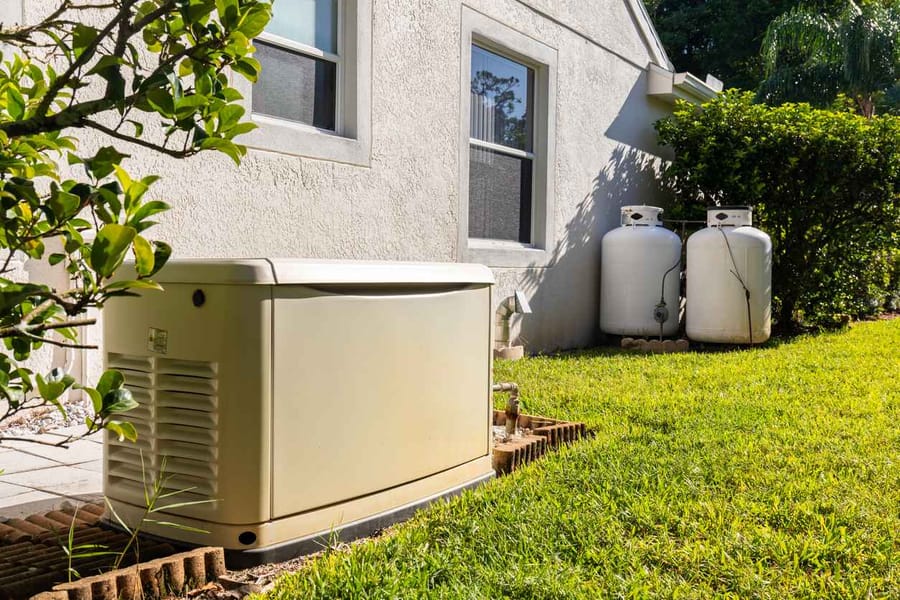
Power outages in Atlanta are becoming more common due to storms, aging infrastructure, and rising demand on the electrical grid. For many homeowners, having a reliable backup generator is no longer just a convenience but a necessity. Choosing the right generator, however, involves more than just selecting a brand or size—it also requires deciding on the best fuel source.
The fuel you choose impacts how efficiently your generator runs, how much maintenance it will need, and what it will cost to operate over the long term. With options like propane, natural gas, and diesel available, each comes with unique advantages and potential drawbacks.
The challenge for many homeowners is knowing which option makes the most sense for their household. A generator is a long-term investment, so understanding performance, maintenance, and cost efficiency upfront can help you make the right decision.
In this blog, we will compare propane, natural gas, and diesel generators side by side. By the end, you will have a clear understanding of the differences and be better equipped to choose the generator that fits your Atlanta home’s needs.
Why Choosing the Right Generator Fuel Source Matters
When investing in a backup generator, the type of fuel it uses is one of the most important decisions you will make. The fuel source affects how well the system performs during outages, how much ongoing maintenance it requires, and the overall cost of operation over its lifespan.
Performance
Performance is especially important during extended outages. A reliable generator should provide steady power for your essential appliances, heating and cooling systems, and electronics without interruption. Some fuels are better suited for long runtimes, while others provide greater convenience or cleaner operation.
Maintenance
Maintenance is another factor. Each fuel type has its own set of upkeep requirements, from routine inspections to managing fuel storage. Ignoring these needs can reduce the system’s reliability and shorten its life expectancy.
Cost Efficiency
Finally, cost efficiency plays a major role for homeowners. While some fuels may be cheaper upfront, others may save more money in the long run due to lower maintenance costs or better fuel efficiency. By carefully weighing these factors, homeowners can choose the generator that provides the best balance of performance, reliability, and cost for their specific needs.
Propane Generators
Propane is a popular choice for many homeowners because it balances reliability with relatively low maintenance needs. It is a clean-burning fuel that stores well and provides dependable power even during long outages. For homes without access to natural gas lines, propane is often the most practical and convenient option.
Performance and Efficiency
Propane is a clean-burning fuel that delivers consistent performance, even during long outages. Unlike diesel, it does not degrade quickly, which makes it a reliable option for homeowners who may only use their generator occasionally. Propane systems also tend to run quieter, providing a smoother experience during operation.
Maintenance Requirements
One of propane’s biggest advantages is its low maintenance needs. Because it burns cleaner than diesel, there is less buildup of soot and carbon deposits inside the engine. This means fewer oil changes, cleaner spark plugs, and reduced wear over time.
Cost Considerations
While propane often costs more per gallon than natural gas or diesel, it has a long shelf life, making it ideal for long-term storage. For homeowners who want a dependable fuel source that does not deteriorate between uses, propane offers peace of mind despite its slightly higher operating costs.
Natural Gas Generators
Natural gas generators are valued for their convenience and affordability. With a direct connection to utility lines, these systems provide continuous fuel supply without the need for storage tanks or deliveries. For many Atlanta homeowners, natural gas represents the most seamless way to ensure uninterrupted backup power.
Performance and Efficiency
Natural gas generators are one of the most convenient options for homeowners in Atlanta. Since they connect directly to the utility supply, there is no need to worry about fuel deliveries or storage. This unlimited access means your generator can run for extended periods without interruption, making it an excellent choice for areas prone to long outages.
Maintenance Requirements
Compared to diesel, natural gas requires less maintenance because there is no fuel storage involved and the fuel burns relatively clean. Homeowners still need routine servicing, such as oil changes and system checks, but the upkeep is generally straightforward and predictable.
Cost Considerations
Natural gas is usually one of the more affordable fuel options, particularly in areas with strong utility infrastructure like Atlanta. However, because these generators rely on the utility grid, service interruptions to natural gas lines during extreme events could affect availability. For most households, though, the combination of lower fuel costs and convenience makes natural gas a very cost-efficient choice.
Diesel Generators
Diesel generators are built for strength and endurance, making them a preferred option for homes with high power demands. Known for their durability and fuel efficiency, they are often used when reliability during long outages is the top priority. While they require more maintenance, they remain a trusted choice for heavy-duty backup power.
Performance and Efficiency
Diesel generators are known for their power and durability, making them a preferred choice for heavy-duty applications. They can handle larger electrical loads more easily than propane or natural gas systems, which makes them ideal for households with high energy demands or properties that require reliable power for extended outages.
Maintenance Requirements
While diesel engines are rugged, they require regular maintenance to perform at their best. Fuel filters must be replaced, oil changes need to be performed consistently, and the fuel itself requires careful management. Diesel can degrade over time, especially in storage, so additives or periodic cycling are often necessary to keep it fresh.
Cost Considerations
Diesel fuel is typically more energy-dense than propane or natural gas, meaning it delivers more power per gallon. This makes diesel highly efficient during operation. However, the price of diesel can fluctuate significantly, and the costs of storing and maintaining fuel supplies add to the overall expense. For many homeowners, diesel’s efficiency and reliability balance out the higher maintenance and storage requirements.
Comparing Fuel Types Side by Side
Each generator fuel type has its own strengths and weaknesses, and the best choice depends on your household’s needs. Looking at propane, natural gas, and diesel side by side makes it easier to see how they compare in terms of performance, maintenance, and cost efficiency.
Performance:
-
Propane delivers steady and clean-burning energy, ideal for long-term reliability.
-
Natural Gas provides uninterrupted power as long as utility lines remain active.
-
Diesel offers the highest power output, making it suitable for large homes or heavy electrical demands.
Maintenance:
-
Propane requires the least maintenance thanks to its clean burn.
-
Natural Gas also needs moderate upkeep but avoids storage-related issues.
-
Diesel requires the most care due to fuel management and frequent servicing.
Cost Efficiency:
-
Propane has a higher per-gallon cost but benefits from a long shelf life.
-
Natural Gas is generally the most affordable for ongoing operation but depends on local infrastructure.
-
Diesel is efficient during use, but fluctuating fuel prices and storage costs can increase long-term expenses.
By weighing these categories together, homeowners can better match their generator choice with their budget, maintenance preferences, and power needs.
Which Generator Is Right for Your Atlanta Home?
Choosing the right generator ultimately comes down to your home’s size, energy demands, and how often you experience outages. Homeowners with high power needs or large appliances to run may prefer the strength of a diesel system, while those who value convenience and lower operating costs often lean toward natural gas. Propane provides a dependable middle ground with long storage life and reliable performance.
It is also important to consider your location and lifestyle. If your property has access to a natural gas line, the convenience of uninterrupted fuel can outweigh other concerns. On the other hand, homes without access to natural gas may find propane tanks a flexible option. Diesel tends to be favored for rural properties or when long outages are more common and extra durability is required.
At Perkins Generator Store, our experts take the time to evaluate your specific needs and guide you toward the right system. We consider your household’s energy requirements, your budget, and your long-term maintenance preferences to recommend a generator that will provide peace of mind during any outage.
Power Your Home With the Right Generator
Propane, natural gas, and diesel each bring unique advantages when it comes to powering your home during outages. Propane offers clean performance and low maintenance, natural gas provides affordable and uninterrupted fuel when utility lines are available, and diesel delivers unmatched strength and efficiency for heavy demands. The best choice depends on your household’s needs, your access to fuel sources, and your comfort with ongoing maintenance.
Investing in the right generator is about more than keeping the lights on—it is about protecting your family’s comfort, safety, and peace of mind during unexpected outages. With a clear understanding of how each fuel type compares, you can make a confident decision that fits your home and lifestyle.
Perkins Generator Store specializes in helping Atlanta homeowners choose, install, and maintain the perfect generator system. Our team ensures your home is equipped with a reliable power source that meets your needs year after year.
Contact Perkins Generator Store today to schedule a consultation and discover which generator is the right fit for your Atlanta home.
Recent Posts
Navigating HOA Requirements for Generator Installations in Peachtree City and Alpharetta
The Atlanta Homeowner’s Guide to Generator Maintenance Before Hurricane Season
Generac vs. Kohler: Which Model Handles Metro Atlanta’s Humidity and Power Surges Best?
What Homeowners Should Do to Prepare Their Generator Before Atlanta Spring Storm Season

Why Brownouts Are Growing More Common Across Metro Atlanta
How Atlanta Thunderstorms and Lightning Strikes Increase the Need for Home Backup Generators