

Back to Blog
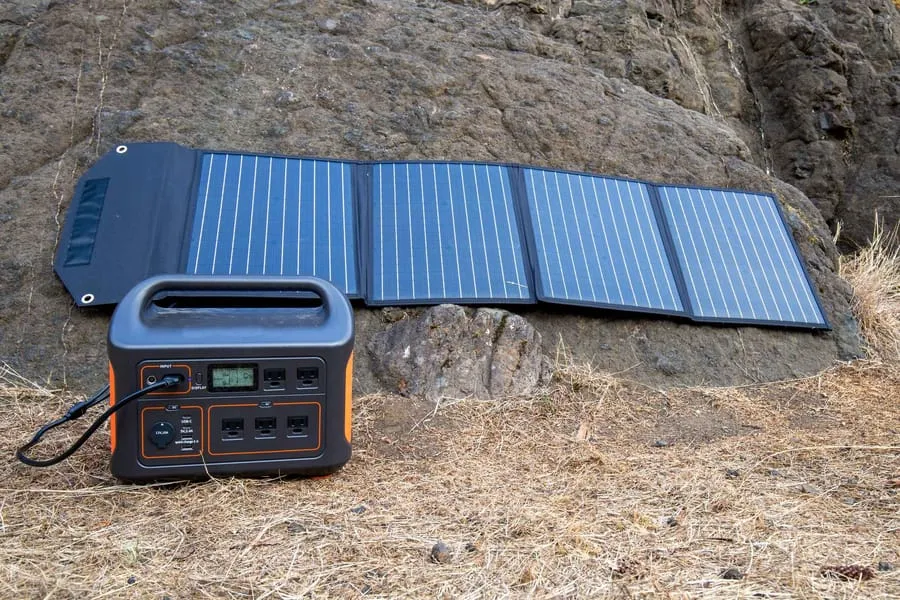
Atlanta homeowners are increasingly looking for ways to balance reliable backup power with sustainable living. With frequent storms and unexpected outages, having a dependable source of electricity is no longer just a convenience, it is a necessity. At the same time, more families are investing in solar energy to reduce utility bills and lower their environmental impact. The challenge arises when homeowners want the best of both worlds: renewable energy during the day and reliable backup when the grid goes down.
Traditional generators often fall short in this area, leaving gaps in coverage and efficiency. In this blog, we will explore why solar-compatible home generators are becoming a popular solution, the key features to look for, integration tips, and the best ways to maximize renewable backup power in Atlanta homes.
Why Solar-Compatible Home Generators Matter in Atlanta
In a city like Atlanta, where severe storms and sudden power outages are a regular concern, having a backup power plan is essential. Many homeowners have already turned to solar energy to reduce their dependence on the grid, but when the sun is not shining, those systems alone may not provide enough coverage. This is where solar-compatible generators play a vital role, offering the ability to keep your home powered when solar panels or utility power fall short.
Pairing a generator with solar technology offers more than just peace of mind. It helps homeowners cut down on utility bills, ensures critical appliances continue running during outages, and provides a more eco-friendly alternative to relying solely on traditional gas-powered systems. In Atlanta, where energy demand is high and sustainability initiatives are gaining momentum, investing in solar-compatible backup power is both a practical and forward-thinking choice.
By integrating renewable energy with reliable generator systems, homeowners can enjoy a solution that is efficient, environmentally responsible, and ready to protect their homes no matter what the weather brings.
Key Features and Considerations for Solar-Compatible Generators
Before choosing a solar-compatible generator for your Atlanta home, it is important to understand what sets these systems apart. Unlike traditional standby generators, solar-compatible units are designed to work seamlessly with renewable energy sources, making them a smarter long-term investment for homeowners who value both reliability and sustainability.
Common Features to Look For
The best solar-compatible generators share several important features that help maximize performance. Battery storage is a key component, allowing excess solar energy to be stored and used when the sun goes down or during grid outages. Many systems also include hybrid inverters, which make it possible to manage power from multiple sources, such as solar panels, the utility grid, and the generator itself. Automatic transfer switches provide another layer of convenience by ensuring that backup power kicks in the moment an outage occurs. Finally, capacity sizing matters, as a generator must be matched to the energy demands of your household to keep everything from lights to HVAC systems running smoothly.
Why Solar Compatibility Matters
Not every generator can work with renewable energy systems, which is why solar compatibility is such a critical consideration. Traditional generators often rely solely on fossil fuels and cannot integrate with solar panel setups. Solar-compatible systems, however, are built with advanced technology that allows them to share the load with solar power, resulting in better efficiency and lower fuel use. Over time, this integration leads to reduced operating costs, fewer carbon emissions, and a more sustainable way to power your Atlanta home.
How to Integrate a Solar-Compatible Generator with Your Home
Adding a solar-compatible generator to your home is an excellent way to create a reliable energy system, but the process requires careful planning. For Atlanta homeowners, integration is about more than simply installing a generator next to solar panels. It involves making sure the systems communicate effectively, comply with local codes, and provide seamless power during outages.
DIY-Friendly Steps
There are small steps homeowners can take to make the integration process smoother. Monitoring your home’s energy usage is a good starting point, as it helps determine how much power storage and generator capacity you will need. Keeping solar panels clean and checking connections regularly also improves efficiency. Many newer systems come with smart load management features, which allow you to prioritize essential appliances like refrigerators and HVAC systems during an outage, helping to make the most of available power.
When Professional Installation is Essential
While some aspects of integration can be managed by homeowners, full installation should always be handled by professionals. Wiring a generator to work alongside solar panels and hybrid inverters is a complex task that requires technical expertise. In Atlanta, compliance with local building codes and utility regulations is another important factor, as improper installation could result in safety hazards or system failures. Professional installers ensure that your generator and solar setup operate together efficiently, safely, and reliably, providing peace of mind when you need backup power most.
Additional Tips for Maximizing Renewable Backup Power
Installing a solar-compatible generator is only the first step. To get the most value from your system, homeowners in Atlanta should commit to consistent upkeep and smart energy practices. Regular attention ensures that your investment continues to deliver reliable backup power and sustainable performance for years to come.
Scheduling maintenance for both your generator and solar equipment is one of the best ways to protect your system. Professional inspections can catch early signs of wear, confirm that batteries and inverters are operating correctly, and extend the lifespan of your equipment. Homeowners can also make a difference by choosing energy-efficient appliances, which reduce the overall demand placed on the system and help stored power last longer during outages.
Another advantage of renewable backup systems is the potential for financial incentives. Atlanta residents may qualify for state or federal tax credits that reward investments in clean energy technology. Finally, consider scalable solutions that allow you to expand your system as your household needs change. With the right approach, your solar-compatible generator can serve as both a safety net and a smart, future-focused energy solution.
Power Your Atlanta Home with Solar-Compatible Generators
For Atlanta homeowners, combining renewable energy with reliable backup power is no longer just a trend, it is quickly becoming a necessity. Solar-compatible home generators make it possible to enjoy the benefits of clean energy while still protecting your family during outages. By understanding the key features, integration process, and ongoing maintenance needs, you can create a system that is both efficient and dependable.
At Perkins Generator Store, we help Atlanta residents find the right solar-compatible backup power solutions for their homes. Our experts can guide you through selecting, sizing, and installing a system that integrates seamlessly with your solar panels. With professional support, you can feel confident that your home will remain safe, comfortable, and powered no matter what the weather brings.
If you are ready to combine renewable energy with dependable backup power, contact Perkins Generator Store today and discover the ultimate solution for your Atlanta home.
Recent Posts
Navigating HOA Requirements for Generator Installations in Peachtree City and Alpharetta
The Atlanta Homeowner’s Guide to Generator Maintenance Before Hurricane Season
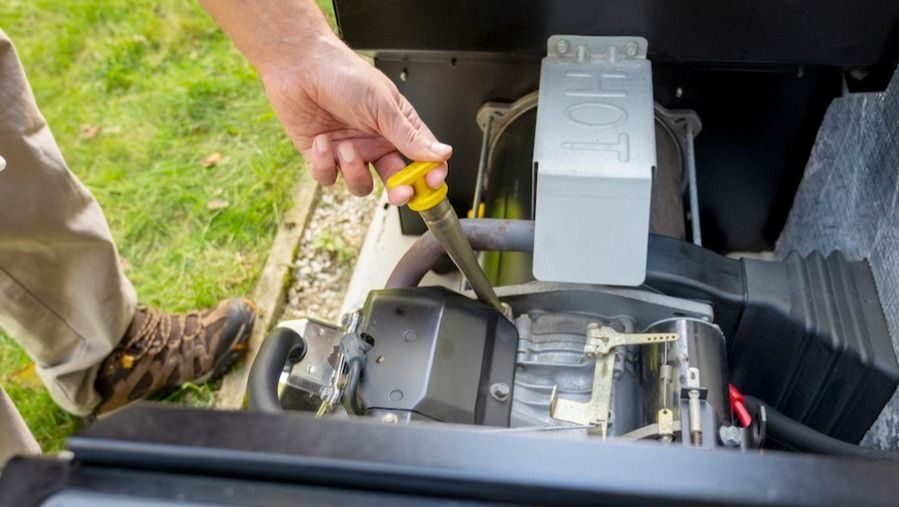
Generac vs. Kohler: Which Model Handles Metro Atlanta’s Humidity and Power Surges Best?
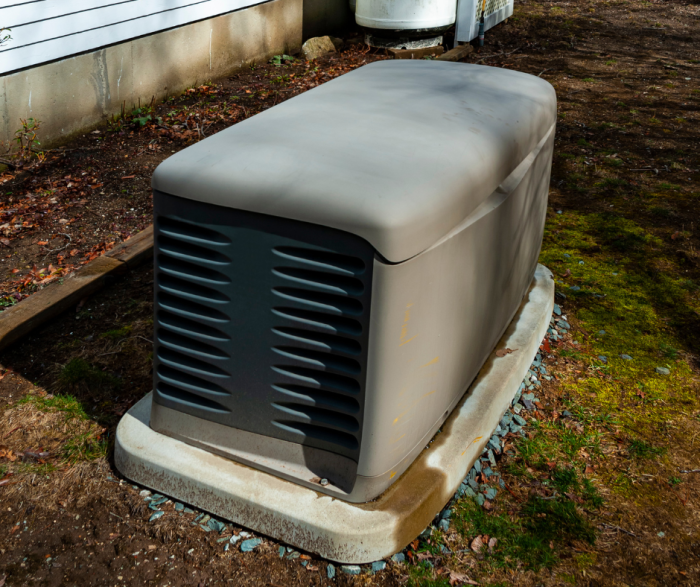
What Homeowners Should Do to Prepare Their Generator Before Atlanta Spring Storm Season

Why Brownouts Are Growing More Common Across Metro Atlanta
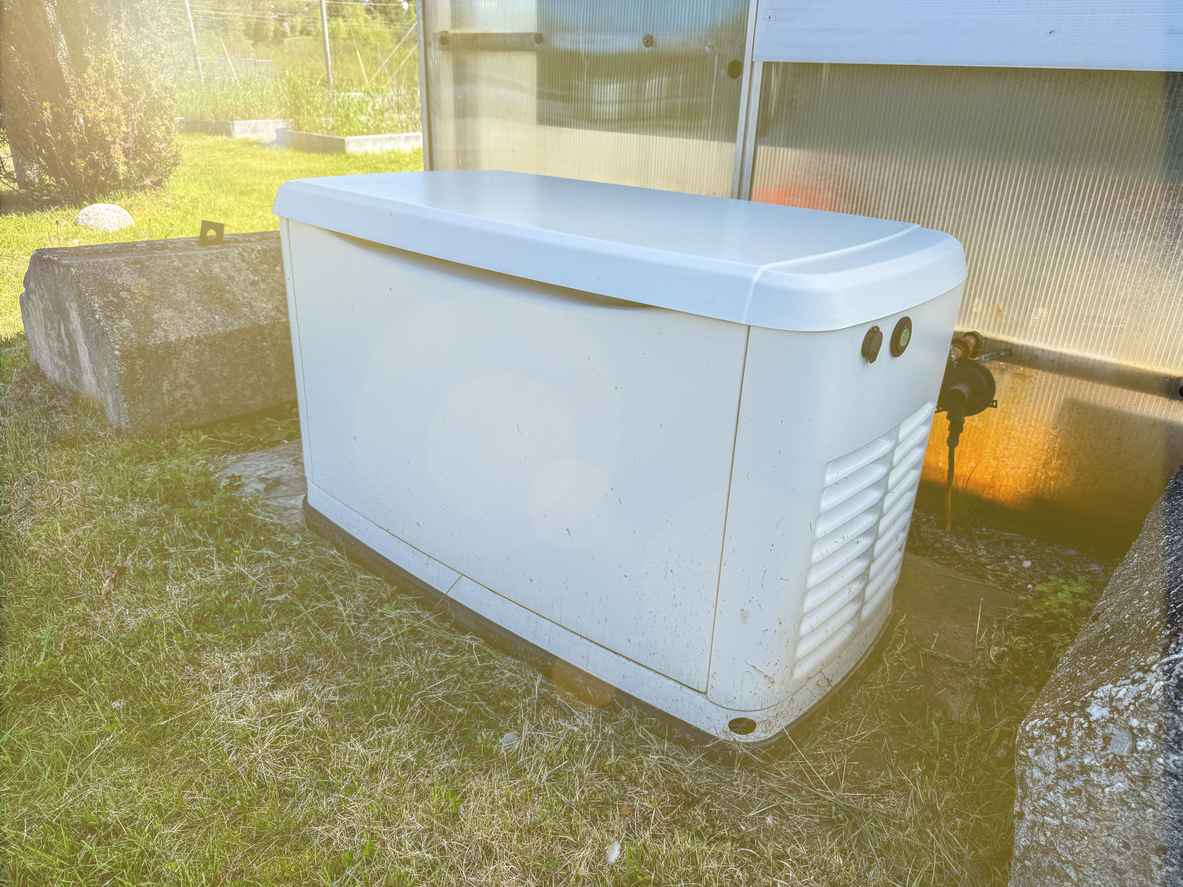
How Atlanta Thunderstorms and Lightning Strikes Increase the Need for Home Backup Generators