

Back to Blog
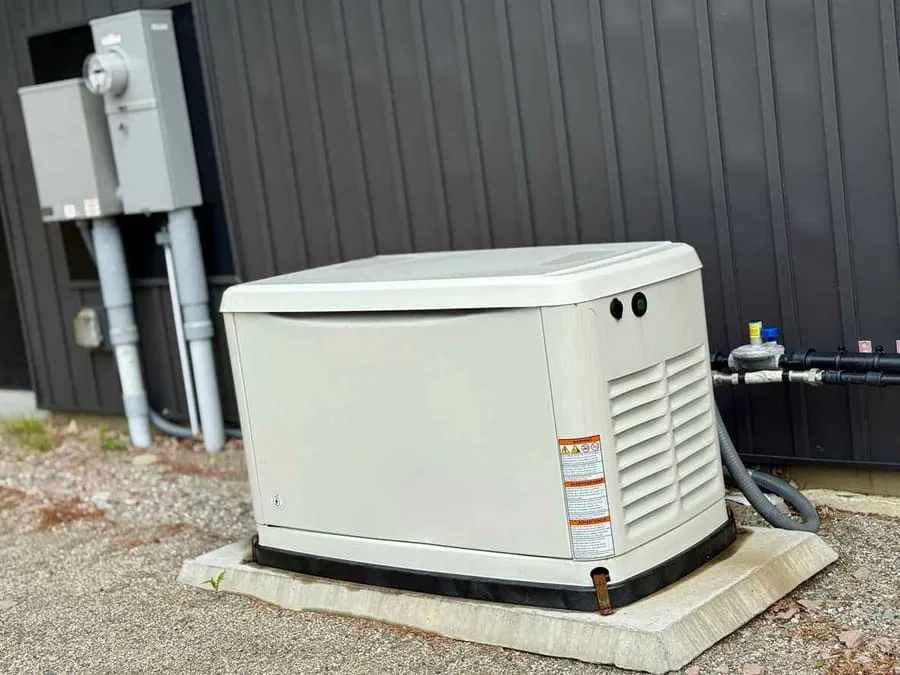
For Georgia homeowners, a standby generator is a critical part of staying prepared for power outages caused by storms, extreme heat, or unexpected grid failures. When the power goes out, your generator is expected to start immediately and run reliably for hours or even days. Without regular maintenance, however, even a high quality generator can fail when it is needed most.
Semi-annual generator maintenance helps ensure your system is ready before an outage happens. Generators often sit unused for long periods, which can lead to battery failure, fuel issues, and mechanical problems that go unnoticed. Following a consistent maintenance checklist helps protect your investment, extend the life of your generator, and provide peace of mind during Georgia’s most demanding weather conditions.
Why Semi-Annual Generator Maintenance Is Essential in Georgia
Georgia homeowners face unique challenges when it comes to power reliability. Severe storms, hurricanes, and periods of extreme heat place added strain on electrical systems and increase the likelihood of outages. Semi-annual generator maintenance helps ensure your system is ready to respond during these high demand periods.
Georgia Weather and Power Outage Risks
Weather patterns in Georgia can change quickly, bringing strong storms, heavy rain, and high winds that disrupt power. Summer heat waves also increase demand on the electrical grid, which raises the risk of outages even without storms.
Common outage triggers in Georgia include:
- Thunderstorms and hurricanes
- Fallen trees and power lines
- High electricity demand during heat waves
How Skipping Maintenance Shortens Generator Lifespan
When generators sit idle for long stretches, internal components can degrade without obvious warning signs. Batteries lose charge, fuel can break down, and moisture may cause corrosion. Skipping regular maintenance allows small issues to grow into major failures that shorten the generator’s lifespan and reduce reliability.
What Semi-Annual Generator Maintenance Means
Semi-annual generator maintenance goes beyond a quick visual check. It involves inspecting, testing, and servicing key components to ensure the generator will start and run properly when power is lost. These checks are designed to catch issues early, before they lead to failure during an outage.
Why Generators Need Maintenance Even When Not Used
Generators can develop problems even if they rarely run. Long periods of inactivity allow parts to degrade quietly, which is why routine maintenance is so important.
Common issues caused by inactivity include:
- Fuel breaking down or becoming contaminated
- Batteries losing charge or failing completely
- Moisture buildup leading to corrosion
Manufacturer Guidelines vs Real World Conditions
Manufacturers provide recommended maintenance schedules, but real world conditions often require more attention. Georgia’s humidity, heat, and storm exposure can accelerate wear on generator components. Semi-annual maintenance helps adapt manufacturer guidelines to local conditions and keeps systems reliable year round.
The Semi-Annual Generator Maintenance Checklist
Following a detailed checklist helps ensure no critical components are overlooked. Semi-annual maintenance focuses on both mechanical condition and operational readiness so the generator performs reliably during an outage.
Visual and Physical Inspection
A thorough visual inspection helps identify early signs of wear or damage. Catching these issues early can prevent more serious problems later.
Inspection steps include:
- Checking for oil, fuel, or coolant leaks
- Inspecting hoses, belts, and wiring for cracks or wear
- Clearing debris from around the generator enclosure
Engine and Fuel System Checks
The engine and fuel system are essential to reliable generator operation. Routine checks help maintain performance and efficiency.
Key maintenance tasks include:
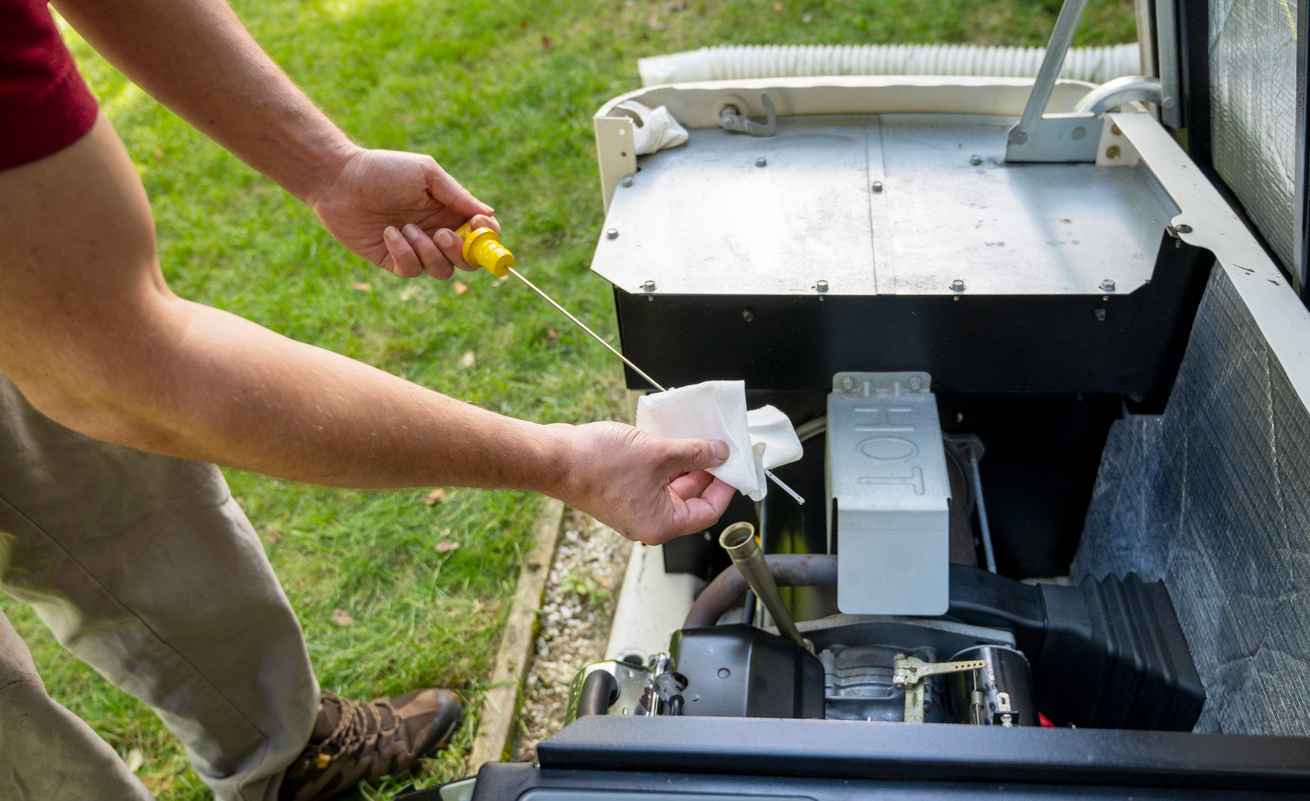
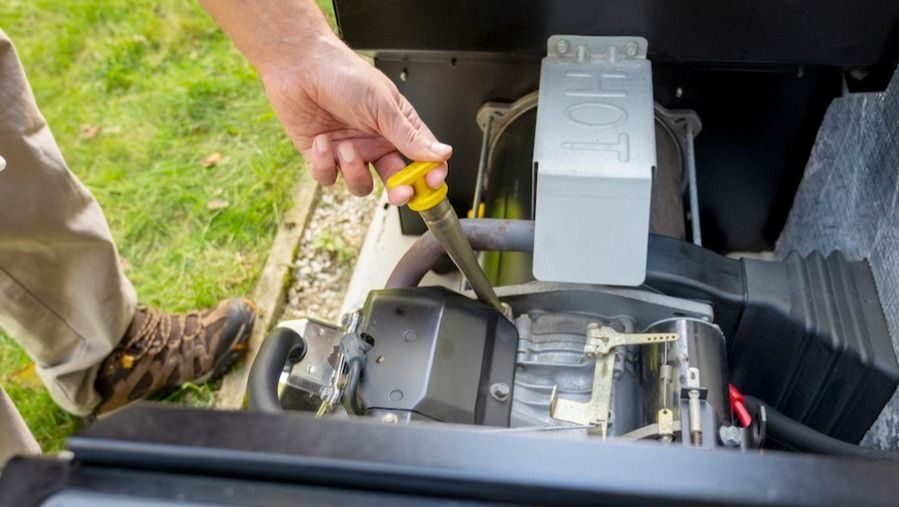
- Verifying oil level and condition
- Inspecting fuel quality and fuel lines
- Checking and replacing air and fuel filters as needed
Electrical System and Battery Testing
Electrical components and batteries often fail first when maintenance is skipped. Testing ensures the generator can start and transfer power properly.
Important checks include:
- Testing battery voltage and charge levels
- Cleaning and tightening battery connections
- Reviewing control panel alerts or fault codes
Exercise Cycle and Load Testing
Running the generator under load confirms that it can handle real world conditions. This step ensures the generator operates smoothly and transfers power correctly.
Load testing includes:
- Running the generator at operating temperature
- Verifying automatic transfer switch operation
- Monitoring performance during the exercise cycle
Common Generator Problems Prevented by Routine Maintenance
Regular generator maintenance helps prevent many of the most common failures homeowners experience during power outages. Semi-annual service keeps key components in working condition and reduces the risk of unexpected breakdowns when the generator is needed most.
Starting Failures and Battery Issues
Battery problems are one of the leading causes of generator failure. Without routine testing and maintenance, batteries can lose charge or develop corroded connections that prevent the generator from starting.
Routine maintenance helps prevent:
- Dead or weak batteries
- Corroded battery terminals
- Failed automatic start cycles
Fuel System and Engine Performance Problems
Fuel and engine related issues often develop quietly over time. Old fuel, clogged filters, and dirty components can reduce performance or prevent the generator from running efficiently.
Maintenance helps avoid:
- Clogged fuel or air filters
- Poor engine performance
- Incomplete combustion or stalling
Stay Prepared With Consistent Generator Maintenance in Georgia
A standby generator is only as reliable as the maintenance behind it. Semi-annual service helps Georgia homeowners avoid unexpected failures, extend generator lifespan, and stay prepared for storms, heat related outages, and power disruptions. Following a consistent checklist ensures critical components are inspected, tested, and ready to perform when the power goes out.
Routine maintenance is an investment in reliability and peace of mind. Addressing small issues early helps prevent costly repairs and ensures your generator operates safely and efficiently.
For homeowners who want dependable backup power year round, contact Perkins Generator Store. We can provide expert guidance and professional generator maintenance services tailored to Georgia conditions.
Recent Posts
Navigating HOA Requirements for Generator Installations in Peachtree City and Alpharetta
The Atlanta Homeowner’s Guide to Generator Maintenance Before Hurricane Season
Generac vs. Kohler: Which Model Handles Metro Atlanta’s Humidity and Power Surges Best?
What Homeowners Should Do to Prepare Their Generator Before Atlanta Spring Storm Season

Why Brownouts Are Growing More Common Across Metro Atlanta
How Atlanta Thunderstorms and Lightning Strikes Increase the Need for Home Backup Generators