



Backup Power Systems for Homes and Businesses
Power outages in the Metro Atlanta area are a regular part of owning a home or operating a business. Storm activity, fallen trees, and seasonal demand on the electrical grid can all interrupt service with little notice.
Backup power systems are used to keep those systems running. For most properties, that means relying on a permanently installed standby generator.
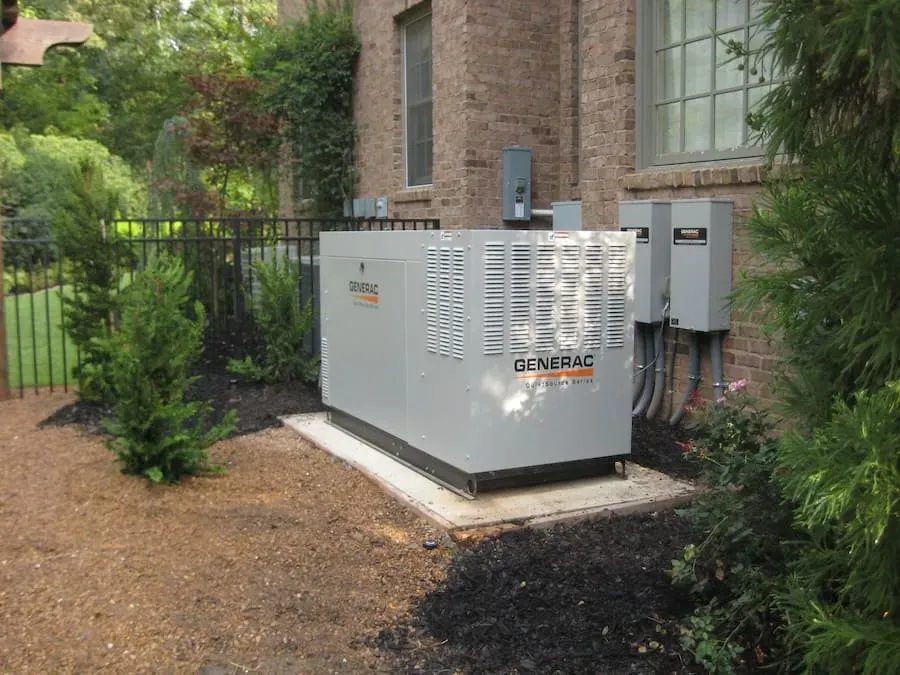
What Backup Power Systems Do
A backup power system provides electricity when utility power is unavailable. Some systems turn on automatically, while others are started manually.
Their role is straightforward:
- Keep essential systems operating
- Reduce disruption during outages
- Maintain safety and basic functionality
What counts as essential varies. In many homes, it includes heating and cooling, refrigeration, lighting, and sump pumps. In commercial settings, it often extends to equipment, storage, and operational systems.
Standby Generators as a Backup Power Solution
Standby generators are the primary way properties maintain power in this region. These systems are installed alongside the home or building and are connected to the electrical system.
When utility power is lost, the generator turns on and begins supplying electricity within seconds. There is no need for manual setup or on-site intervention.
Because these systems are tied directly to the property, they are put in place through a professional generator installation that matches the system to the structure and its electrical demand.
What a Standby Generator Can Support
The exact coverage depends on how the system is set up, but most standby generators are configured to handle:
- Whole-home or whole-building electrical load
- Heating and cooling systems
- Refrigeration and freezers
- Lighting and general outlets
- Well pumps or sump pumps
- Security systems and connected devices
- Business-critical equipment and systems
This level of coverage is what separates permanent backup power from temporary solutions and is a key part of how systems are planned during a professional installation.
Keeping Backup Power Systems Ready
A backup system is only useful if it works when the outage happens. Generators sit idle for long periods, which makes regular upkeep important.
Ongoing reliability is supported through routine generator maintenance, which helps ensure the system starts and runs as expected. If a system stops working or does not perform correctly, it is addressed through generator repair.
Matching Backup Power to the Property
Backup power systems are designed around how the property uses electricity. Some are configured to support essential systems, while others are set up to carry most or all of the electrical load.
The difference comes down to how the system is planned and what needs to stay operational during an outage.
Let Us Help You
Explore our range of dependable generators and backup power solutions built to keep your home or business running through outages and emergencies. Get expert support and a custom quote today — peace of mind is just a click away.

Get Backup Power in Metro Atlanta
Power interruptions in this area are often caused by a combination of weather and infrastructure. Heavy tree coverage and storm activity increase the likelihood of downed lines, while summer demand can strain the grid.
Even short outages can disrupt daily life or business operations. Because of that, many properties rely on standby systems that restore power quickly and operate without manual involvement.
With more than 35 years of experience, Perkins Generator Store has built a reputation for dependable backup power solutions across Metro Atlanta. The team works with trusted manufacturers like Generac, Kohler, and Cummins, ensuring every system is supported by proven equipment and long-term reliability. Whether you are planning ahead or dealing with an existing system, you can contact our team to discuss your setup and get a clear estimate based on your property and power needs.
Let Us Help You Find a Generator


Frequently asked questions about generators
Find answers to common questions about generator sales, installation, maintenance, and monitoring to help you make informed decisions.
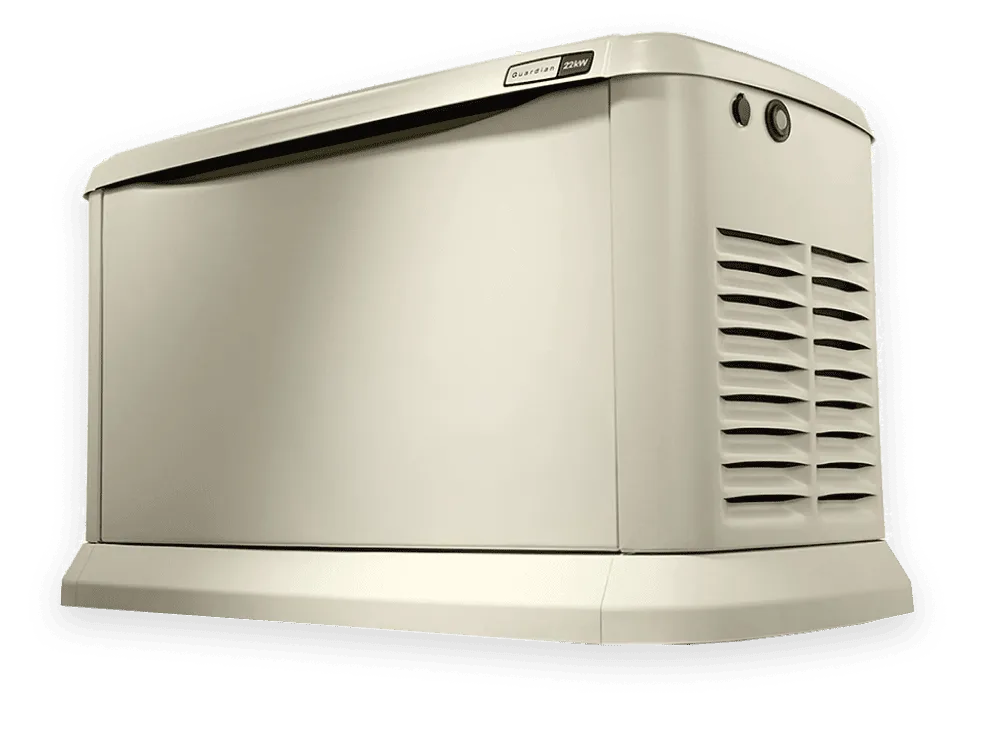
An automatic standby generator is designed to detect a utility outage, start, and supply backup power through an automatic transfer system. There is normally a short interruption while that process occurs. The exact transfer time depends on the generator, controls, and transfer equipment installed.
A standby generator can operate through an extended outage when it has an adequate fuel supply and remains within the manufacturer’s operating and maintenance requirements. Natural-gas systems depend on continued utility gas service, while propane systems depend on the available fuel stored on the property. Extended runtime can also trigger maintenance requirements based on operating hours.
Not necessarily. A standby generator can be designed for whole-home coverage or configured to supply selected essential loads. The amount of the home it can power depends on generator capacity, electrical demand, transfer equipment, and how the system is designed. Proper sizing determines which loads can operate during an outage.
Generator failure during an outage can result from battery problems, fuel-supply issues, electrical or control faults, mechanical problems, maintenance-related conditions, or failures elsewhere in the backup-power system. Testing, monitoring, and routine maintenance can identify some problems before an outage, but no maintenance program can eliminate every possible failure.
Power outages in Metro Atlanta can range from brief interruptions to extended events. Severe thunderstorms, falling trees and limbs, hurricane remnants, winter weather, and widespread infrastructure damage can increase restoration time. Because outage duration cannot be predicted reliably for an individual property, standby systems are designed to provide backup power automatically while utility service is unavailable.
A properly sized standby generator can support heating and cooling equipment when the HVAC load is included in the system design. The generator must have enough capacity for the equipment that will run during an outage, including starting demand where applicable. The home’s electrical load and desired backup coverage should be evaluated before deciding which generator and transfer setup are appropriate.
A standby generator is permanently installed, connected to the property’s electrical system, and designed to start automatically when utility power is lost. A portable generator is moved into place when needed and typically requires manual setup and refueling. The right option depends on the amount of power you need, how automatically you want backup power to operate, and how the property will use the system.
Real Reviews From Satisfied Clients
Jalen arrived early for the appt. He was friendly and professional. He was efficient and got the work completed within no time. I appreciated him working around my yard people.

Julie Wasil
Excellent service and responsiveness.
A great organization!
A great organization!

john strickler
Prompt good work. Very nice

Helen Mcswain
Great Customer Service

James Nicholson
Very prompt to appointment and very knowledgeable. Explained all options. Very honest. No over promising

Lynn Westmoreland
Fast and very efficient. Thank you for your fast response too.

Gail Woody
Perkins has always provided prompt and professional service. I purchased a generator from them years ago and have always had great service. Every technician that has been to my house has been very courteous, friendly, knowledgeable and professional. The product and the service they provide is outstanding!

Jay Thompson

Get a Quote Or Contact Us Today
Looking for reliable generator solutions in Atlanta, Buckhead, Alpharetta, or Marietta? Perkins Generator Store specializes in generator sales, installation, maintenance, and monitoring. From standby generators for your home to commercial power solutions, we deliver top-quality service. Contact us today for a customized quote and dependable power tailored to your needs.