

Back to Blog
Atlanta is famous for many things, but to a homeowner, the city’s summer weather is perhaps its most formidable characteristic. As moisture from the Gulf of Mexico collides with the heat of the Georgia Piedmont, the result is a seasonal cycle of intense thunderstorms. These storms are not merely an inconvenience; they are powerful atmospheric events that carry the potential to disrupt your daily life in an instant. For residents in neighborhoods from Buckhead to Alpharetta, the question is not if the power will go out during a storm, but for how long.
At Perkins Generator Store, we have helped thousands of Georgia families navigate the aftermath of these weather events. We understand that a home backup generator is more than just a piece of machinery; it is an insurance policy against the volatility of the Atlanta climate. This guide explores the specific ways that local thunderstorms and lightning strikes threaten our electrical grid and why a permanent power solution has become a necessity for the modern Atlanta home.
The Anatomy of an Atlanta Thunderstorm
To understand the need for a backup generator, one must first understand the unique violence of a Georgia thunderstorm. Unlike a steady rain, these storms are characterized by rapid updrafts and downdrafts that create intense localized winds. These “microbursts” are responsible for the majority of short term power outages in our region.
The Threat of Falling Vegetation
Atlanta is known as the “City in a Forest” for good reason. Our lush canopy of oaks, pines, and maples is beautiful, but it is also a primary threat to the electrical infrastructure.
- Saturated Soil: During a heavy downpour, the red Georgia clay becomes saturated and soft. This makes even healthy trees prone to “tipping” when high winds hit, often taking down power lines as they fall.
- Overhead Line Vulnerability: Much of Atlanta’s power grid still relies on overhead lines. When a single branch falls across a transformer or snaps a utility pole, an entire block can lose power for days.
- Repair Delays: During a major storm front, Georgia Power and EMC crews are often overwhelmed. If your home is in a residential area with fewer customers, you may be lower on the priority list for restoration compared to hospitals or commercial hubs.
Lightning: The Invisible Surge
Georgia consistently ranks among the top states for lightning strikes per year. While a direct hit to a home is rare, lightning strikes on nearby utility equipment are incredibly common.
- Grid Overload: A lightning strike on a substation or a power pole sends a massive surge of electricity through the lines. This surge can trip safety breakers at the utility level, resulting in a sudden blackout for your neighborhood.
- Sensitive Electronics: Even if the power does not go out completely, the “flicker” associated with lightning can destroy the sensitive control boards in your HVAC system, refrigerator, and home office equipment.
Why Portable Solutions Fall Short in Georgia
When the lights go out, many homeowners reach for a portable gasoline generator. While these are better than nothing, they often prove insufficient for the specific demands of an Atlanta power outage.
The Logistics of a Storm
Thunderstorms rarely happen at a convenient time. Attempting to set up a portable generator in the middle of a torrential downpour is dangerous and difficult.
- Fuel Limitations: Gasoline has a short shelf life and can be difficult to find if local gas stations lose power as well.
- Manual Setup: You must be home to roll out the unit, plug in extension cords, and manually switch over your appliances. If you are at work or traveling when a storm hits, your basement sump pump will not run, and your food will spoil.
- Limited Power: Most portable units cannot handle the “starting load” of a central air conditioning unit. In the middle of a humid Georgia July, being without AC for even a few hours can make a home nearly uninhabitable.
The Standby Advantage: Automatic Resilience
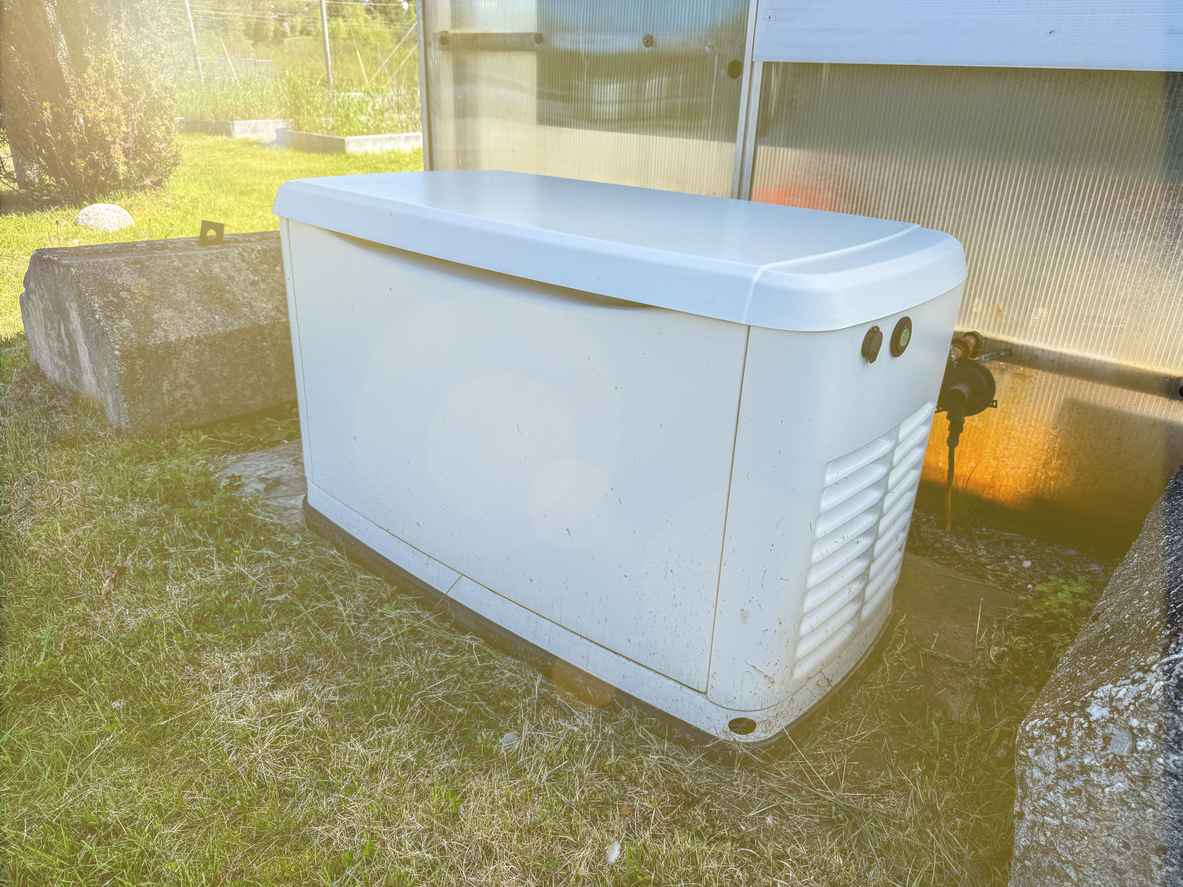
A permanently installed backup generator, like the units we provide at Perkins Generator Store, offers a completely different level of protection. These systems are integrated directly into your home’s electrical panel and fuel supply.
Seamless Transition with an Automatic Transfer Switch
The heart of a standby system is the Automatic Transfer Switch (ATS). This device constantly monitors the utility power coming into your home.
- Instant Response: Within seconds of a power failure, the ATS disconnects your home from the grid and starts the generator. By the time you find a flashlight, the power is already back on.
- Hands-Free Operation: Whether you are asleep, at work, or on vacation, the system handles the transition automatically.
- Safe Disconnection: The ATS ensures that your generator does not “backfeed” electricity into the utility lines, which protects the line workers who are trying to fix the main power grid.
Fuel Reliability: Natural Gas and Propane
Unlike portable units, standby generators are typically hooked up to your home’s existing natural gas line or a large on site propane tank.
- Continuous Supply: During a thunderstorm, you do not have to worry about running out of fuel. As long as the gas is flowing, your generator will keep running.
- Lower Maintenance: Natural gas burns cleaner than gasoline, which leads to less engine wear and more reliable starts when you need them most.
Beyond Lights: Protecting Your Atlanta Lifestyle
We often think of a generator as a way to keep the lights on, but in modern Georgia homes, electricity supports several critical systems that are essential for safety and structural integrity.
Managing Humidity and Mold
In Atlanta, humidity is a year round concern. When your HVAC system loses power during a summer storm, the moisture levels inside your home can spike to 70 percent or higher in just a few hours.
- Organic Growth: High humidity combined with summer heat creates the perfect environment for mold to grow on drywall and upholstery.
- Indoor Air Quality: A backup generator keeps your AC running, which ensures that your home stays dehumidified and healthy even during a multi-day outage.
Sump Pumps and Finished Basements
Many homes in the metro area have finished basements that rely on electric sump pumps to keep groundwater at bay.
- The Flooding Risk: The same thunderstorms that knock out the power also bring the heaviest rain. If your sump pump loses power, your basement can flood in minutes.
- Protecting Renovations: A backup generator ensures that your pump keeps working through the peak of the storm, protecting your flooring, furniture, and electronics from water damage.
Investing in Peace of Mind
The weather patterns in Atlanta are not going to change, but how you react to them can. Living without a backup plan means being at the mercy of the next lightning strike or falling limb. By installing a permanent standby generator, you are taking control of your home’s resilience and ensuring that your family’s routine remains uninterrupted by the chaos outside.
Do not wait for the next storm cloud to appear on the horizon. The experts at Perkins Generator Store are ready to help you find the perfect backup solution for your home. Whether you want to power just the essentials or your entire property, we have the high-quality units and the local experience to get the job done right.
Contact us today to schedule your free in-home assessment and experience the peace of mind that comes with being prepared for anything Atlanta throws your way.
Recent Posts
Navigating HOA Requirements for Generator Installations in Peachtree City and Alpharetta
The Atlanta Homeowner’s Guide to Generator Maintenance Before Hurricane Season
Generac vs. Kohler: Which Model Handles Metro Atlanta’s Humidity and Power Surges Best?
What Homeowners Should Do to Prepare Their Generator Before Atlanta Spring Storm Season

Why Brownouts Are Growing More Common Across Metro Atlanta
Generator Maintenance 101: The Semi-Annual Checklist Every Georgia Homeowner Must Follow