

Back to Blog
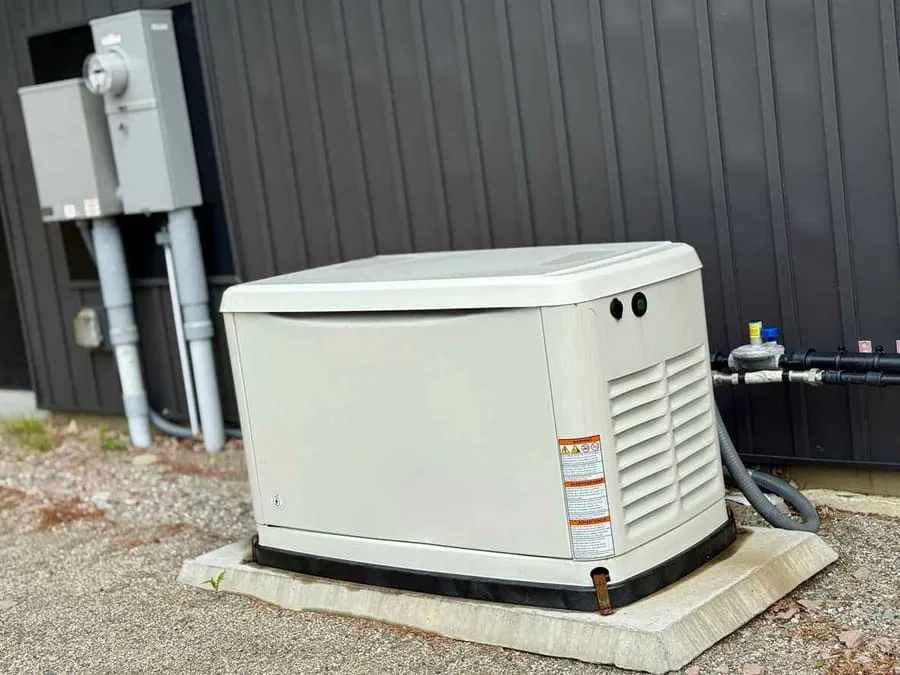
Living in neighborhoods across Peachtree City and Alpharetta offers a wonderful quality of life, featuring quiet tree-lined streets, excellent local schools, and highly stable property values. However, many of the most desirable subdivisions across these communities are managed by strict Homeowners Associations (HOAs). While these associations do a fantastic job of keeping our neighborhoods beautiful, their detailed rules can turn a standard home upgrade into a complicated maze of paperwork.
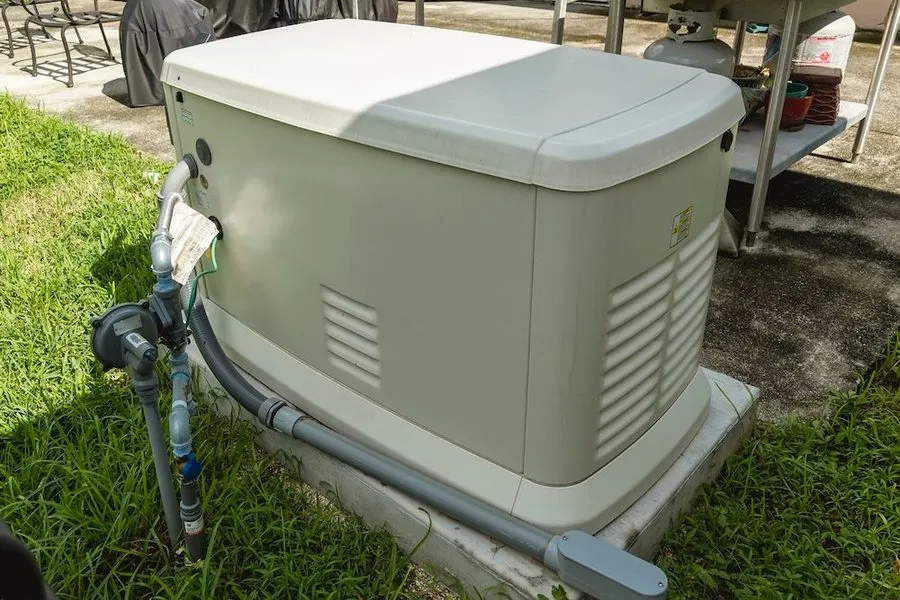
If you are planning to protect your home from sudden Georgia storm blackouts by installing a whole-home standby generator, you cannot simply buy a unit and place it in your yard. In both Peachtree City and Alpharetta, you must secure formal approval from your HOA’s Architectural Review Committee (ARC) before any installation work can legally begin. Failing to follow these procedures can lead to expensive fines, forced project halts, or an order to remove the equipment entirely. Perkins Generator Store has been delivering premier, code-compliant backup power solutions across Georgia since 1987. This guide breaks down the common HOA regulations you will encounter locally and the easiest way to secure quick approval for your backup power system.
The Primary HOA Gatekeeper: The Architectural Review Package
Homeowners’ associations enforce rules to maintain visual uniformity and preserve neighborhood peace. When you submit a request to install a permanent backup generator, the board wants to see exactly how the project fits into your property lines without disturbing the surrounding aesthetics.
What Your Local HOA Board Demands to See
To review your project, your neighborhood ARC committee will typically ask you to submit a complete documentation packet containing these specific items:
-
A Detailed Site Plot Plan: You must provide a copy of your home’s official boundary survey or plat map, with a clear marker showing exactly where the new generator pad will sit relative to your house walls and property lines.
-
Manufacturer Specification Sheets: The board wants to review the physical dimensions (length, width, and height) of the unit, along with the official paint color of the outer protective cabinet.
-
The Official Decibel Noise Rating: Most local associations have strict noise caps. You must include the manufacturer’s sheet proving the unit’s operational sound level, typically measured at a distance of 23 feet during its weekly self-test cycle.
-
Contractor Licensing and Insurance Proof: Nearly every HOA requires written proof that the team executing the high-voltage electrical connections and gas plumbing lines is fully licensed by the State of Georgia and carries active liability insurance.
Navigating Local Setbacks, Placement, and Safety Codes
Satisfying your HOA rules is only half the battle. Your generator placement must also comply with strict municipal building codes in Alpharetta and Peachtree City, as well as national safety mandates. Finding a location that satisfies both local city inspectors and your neighborhood board can sometimes feel like a puzzle.
Essential Clearance Rules for Whole-Home Units
-
The Fire Safety Setback Mandate: National safety codes require a standby generator to sit a minimum of 5 feet away from any operable windows, doors, or fresh air intakes to prevent dangerous exhaust fumes from migrating inside your living spaces.
-
Out of Sight from the Public Street: Almost every local HOA bylaw states that mechanical equipment, including AC compressors and backup generators, cannot be visible from the front street view, meaning the unit must be placed in your side or back yard.
-
The Neighbor Property Boundary Buffer: Local city codes and HOA covenants usually dictate a specific property line setback, often requiring mechanical pads to sit at least 5 to 10 feet away from your neighbor’s lawn boundary.
-
Managing Cart Paths and Golf Course Views: In Peachtree City specifically, if your backyard faces a local golf course or a multi-use golf cart path, the HOA will enforce extra-strict placement rules to keep the unit hidden from passing traffic.
Screening Requirements: Hiding the Hardware Legally
Because whole-home generators are large, heavy-duty mechanical assets, HOAs almost always require homeowners to invest in some form of visual screening. The goal is to ensure that neither your immediate neighbors nor anyone walking down the street can see the utility box.
Approved Ways to Conceal Your Backup System
When designing your installation layout, you should plan to include one of these common, HOA-approved screening methods:
-
Drought-Tolerant Evergreen Landscaping: Planting a dense row of holly bushes, boxwoods, or skip laurels around the perimeter of the pad is the most popular way to satisfy the board. These plants stay green and full all year long.
-
Matching Vinyl Privacy Panels: Installing a small, two-sided or three-sided vinyl fence enclosure that matches the color of your home’s trim or existing backyard fencing provides a clean, modern look.
-
Breathable Lattice Structures: Wooden or composite lattice panels wrapped with local vines can mask the unit effectively while allowing the air conditioning and cooling fans inside the generator to breathe freely.
Critical Airflow Safety Note: No matter what screening method your HOA demands, you must maintain a minimum 3-foot open clearance zone around all sides of the generator cabinet. Whole-home engines generate intense heat and require a massive, continuous volume of fresh air to operate safely without overheating.
Turning the Page on Neighborhood Approval Delays
Securing emergency power readiness shouldn’t involve months of frustrating bureaucratic gridlock or stressful back-and-forth emails with your local neighborhood board. While basic household improvements can often be completed over a weekend, installing a permanent home backup generator requires navigating complex zoning codes, electrical load limits, and detailed neighborhood covenants. Trying to skip the formal review process guarantees costly legal disputes and potential property fines. By taking a proactive approach and submitting a professionally prepared, highly detailed installation blueprint right from the start, you take the friction out of property management. Modernizing your estate with a premium standby asset permanently eliminates blackout anxiety, protects your home’s electronic networks, and satisfies your neighborhood board completely.
Talk to the Experts at Perkins Generator Store
You do not have to tackle tedious HOA paperwork, municipal permitting, or complex system engineering on your own. The friendly, master-certified team at Perkins Generator Store has been delivering turn-key backup power solutions across the Atlanta metro area, Alpharetta, and Peachtree City since 1987. As Georgia’s premier authorized dealer for top-tier brands like Generac, Kohler, and Cummins, we handle the entire administrative process for you. Our specialists pull the local building permits, prepare the exact site plans your ARC committee requests, and execute a meticulous, fully compliant installation from start to finish.
Contact us today to get your home backup power evaluation scheduled.
Recent Posts
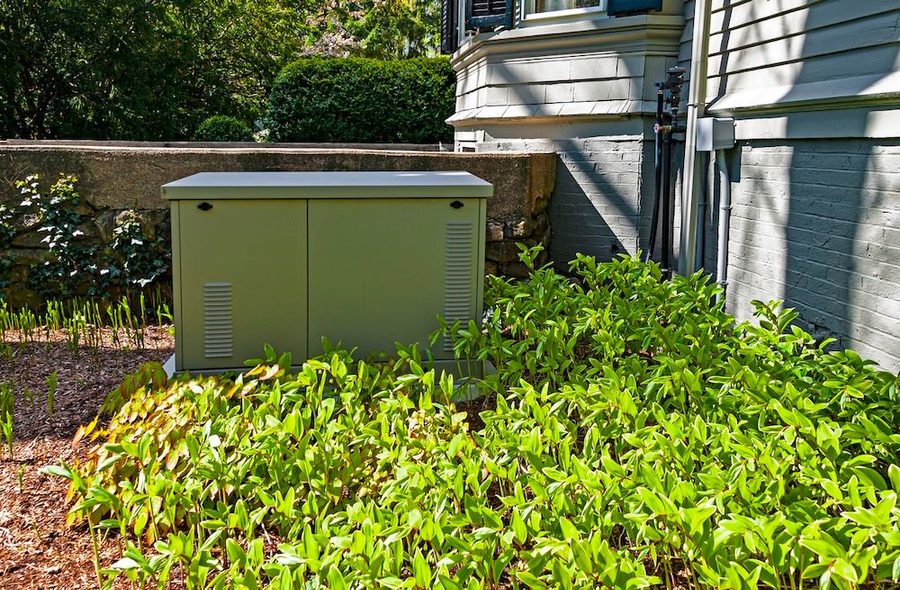
The Atlanta Homeowner’s Guide to Generator Maintenance Before Hurricane Season
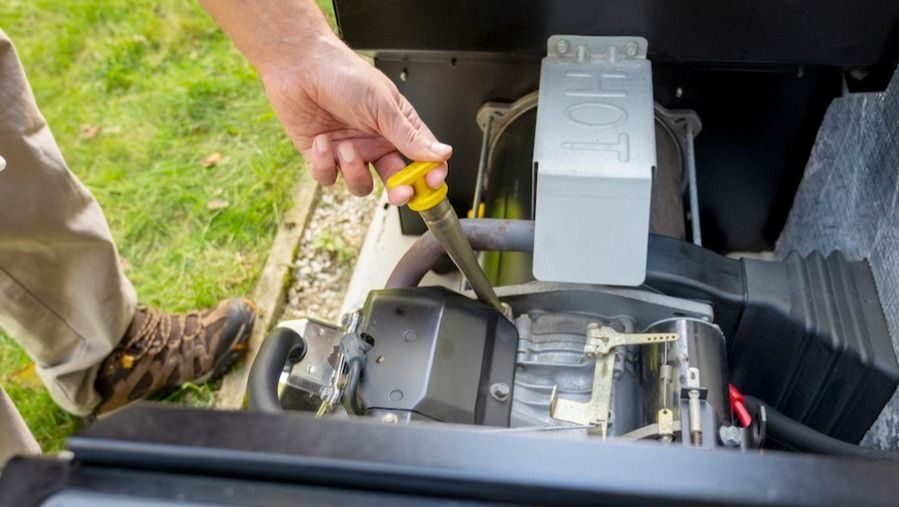
Generac vs. Kohler: Which Model Handles Metro Atlanta’s Humidity and Power Surges Best?
What Homeowners Should Do to Prepare Their Generator Before Atlanta Spring Storm Season

Why Brownouts Are Growing More Common Across Metro Atlanta
How Atlanta Thunderstorms and Lightning Strikes Increase the Need for Home Backup Generators
Generator Maintenance 101: The Semi-Annual Checklist Every Georgia Homeowner Must Follow