

Back to Blog
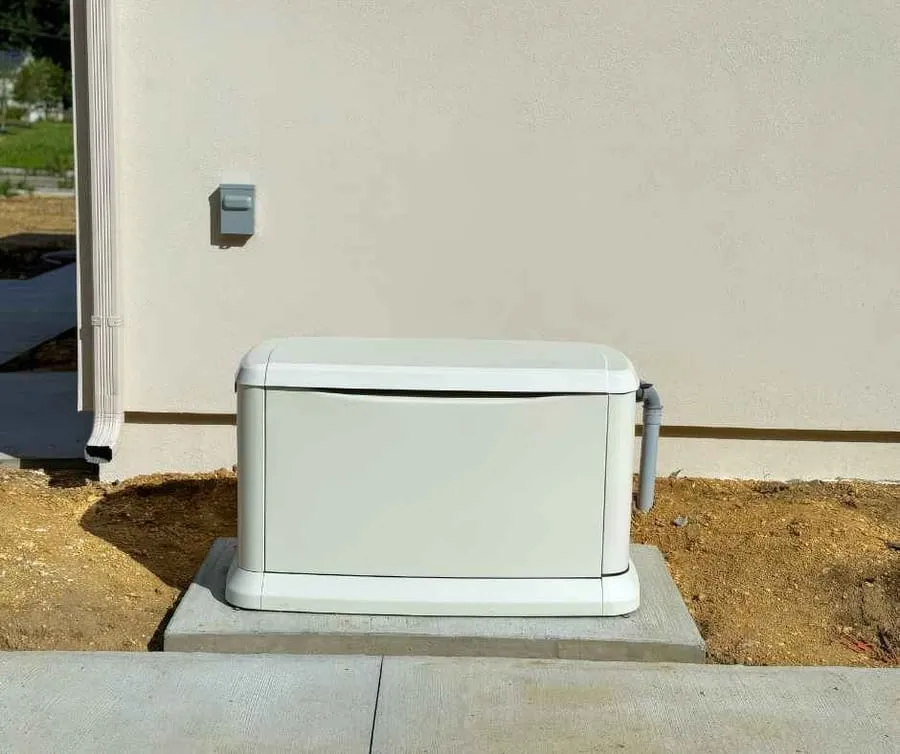
Power outages can happen without warning, disrupting your comfort and putting your home at risk. From spoiled food to sump pump failures, losing electricity isn’t just inconvenient—it can be expensive and stressful. Fortunately, installing a standby generator offers a reliable solution to keep your home running smoothly, no matter the weather or utility issues.
But how do you choose the right generator? And what’s involved in installing one correctly? Many homeowners don’t realize that sizing a standby generator isn’t one-size-fits-all. Choosing an improperly sized unit can lead to power shortages—or wasted investment in an oversized system.
At Perkins Generator Store, we help homeowners find the perfect standby generator to fit their home’s needs and handle professional installation from start to finish. In this blog, we’ll explain how to choose the right size, why expert installation matters, and how you can ensure seamless power continuity during any outage.
Why Every Home Needs a Standby Generator
A power outage can impact your home in more ways than you might expect. Beyond losing lights, your refrigerator, HVAC system, sump pump, and essential outlets all depend on electricity to function. Without a reliable backup plan, a sudden outage could leave your family without comfort, safety, and critical resources for hours—or even days.
This is where a standby generator offers true peace of mind. Unlike portable generators that require manual setup, a standby generator automatically turns on the moment your home loses power. Connected directly to your home’s electrical system, it can power essential appliances, critical systems, or even your entire house, depending on the size and configuration of your unit.
Homeowners often underestimate the value of continuous power until they experience an extended outage. From preserving perishable food to keeping heating or cooling systems operational, a standby generator protects both your home’s comfort and safety.
Another key benefit is convenience. Once installed, a standby generator operates without manual intervention. You don’t need to haul equipment outside, refuel constantly, or manage heavy extension cords. Everything runs automatically and safely, thanks to its connection to your home’s fuel supply—typically natural gas, propane, or diesel.
In severe storms or prolonged blackouts, this automatic response becomes invaluable. Standby generators keep your sump pump running to prevent basement flooding, maintain HVAC for temperature control, and keep essential electronics powered for communication and security.
Ultimately, investing in a standby generator provides more than backup power—it delivers year-round peace of mind, knowing your home and family are protected from the risks of unexpected outages.
How to Properly Size Your Standby Generator
Choosing the right standby generator for your home is about more than just picking the largest unit available. Proper sizing ensures your generator can handle your household’s electrical load efficiently without overworking or underperforming. An undersized unit may fail to power critical appliances, while an oversized generator can lead to unnecessary installation and operating costs. Here’s how to get sizing right.
Assessing Essential Appliances and Systems
Start by listing the appliances and systems you want to keep running during a power outage. Common essentials include:
-
Refrigerators and freezers
-
HVAC systems
-
Water heaters
-
Sump pumps and well pumps
-
Medical equipment
-
Security systems
-
Lighting and essential outlets
Once your list is complete, determine the wattage required to operate each appliance. Be sure to account for both running watts and starting watts, as many appliances—like air conditioners—draw significantly more power when they first start up.
Total your essential wattage requirements to understand the minimum capacity your generator must supply. Consider adding a safety margin to ensure your generator can handle simultaneous use without overloading.
Understanding Generator Load Capacity
Generators are rated by their maximum power output, typically measured in kilowatts (kW). However, understanding load capacity is crucial. This includes:
-
Running watts: The continuous power needed to keep appliances operating.
-
Starting watts: The additional power required to start large appliances.
Choosing a generator that can handle peak load capacity—including starting watts—is essential to avoid power interruptions or system strain.
A properly sized generator should comfortably handle your home’s peak demand without running at maximum capacity all the time. This helps preserve system longevity and performance.
Consulting With Generator Experts
Professional guidance is invaluable during the sizing process. Experts at Perkins Generator Store evaluate your household’s specific power needs, calculate accurate load totals, and recommend generators that meet both your budget and performance goals.
Working with professionals ensures you avoid costly mistakes—such as undersizing, which leads to overloads, or oversizing, which results in unnecessary fuel consumption and higher purchase costs. Experts can also help determine whether you need a whole-home generator or a system designed to power essential circuits only.
By carefully assessing your energy usage and working with knowledgeable professionals, you can choose the perfect standby generator for reliable, efficient performance during any outage.
Professional Standby Generator Installation Steps
Proper installation is just as important as choosing the right generator. A standby generator must be safely connected to your home’s electrical and fuel systems to ensure seamless power continuity. Working with licensed professionals ensures your generator operates safely, efficiently, and in compliance with local codes.
Site Evaluation and Planning
The installation process begins with a thorough site evaluation. Experts assess your property to determine the best location for your generator. Ideally, the unit should be placed on level ground near your utility connections but positioned to minimize noise inside the home. Adequate ventilation space around the generator is essential to prevent overheating and ensure safe exhaust dispersal.
Local regulations often dictate minimum clearance requirements from windows, doors, and neighboring properties. Professional installers consider these regulations and select a placement that balances convenience, safety, and aesthetics.
Electrical and Fuel System Connections
Once placement is determined, licensed electricians handle the complex electrical connections. Your generator must be connected directly to your home’s electrical panel via a transfer switch. This device automatically senses a power outage and switches your home from utility power to generator power without manual input.
The generator is also connected to a steady fuel source—typically natural gas, propane, or diesel—depending on your home’s existing infrastructure and your generator’s fuel type. Professionals handle these fuel line connections safely and according to code, ensuring continuous and reliable operation without the need for refueling during outages.
Testing and System Activation
Before commissioning your generator, the installation team conducts comprehensive load testing. This process verifies that your generator can handle your home’s power demands without overload. Installers also program the automatic transfer switch, ensuring your generator starts automatically when utility power is lost and shuts down once power is restored.
Final safety inspections are conducted to ensure all connections meet industry standards and local codes. Once the system passes inspection, your standby generator is ready to protect your home.
By trusting experts like Perkins Generator Store, homeowners gain confidence knowing their backup power solution is installed correctly, tested thoroughly, and ready for the next outage.
Maintenance Tips for Long-Term Generator Reliability
Like any mechanical system, your standby generator needs regular care to remain reliable. Routine maintenance ensures your generator operates efficiently and is ready to provide seamless power whenever an outage occurs. Here’s how to keep your generator in top condition year-round.
Run the Generator Monthly
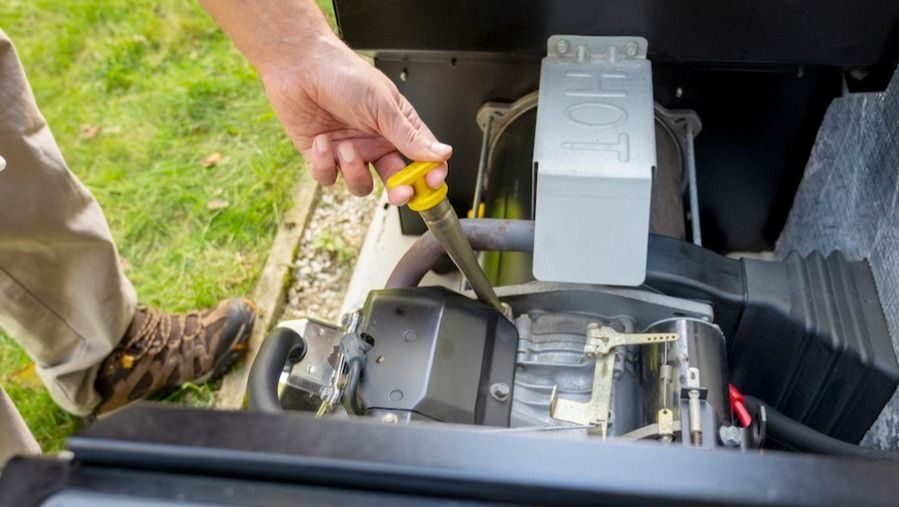
Manufacturers recommend running your standby generator for about 15 to 30 minutes each month. This “exercise cycle” helps keep the engine lubricated and ensures internal parts remain in working condition. Most generators can be programmed to perform this cycle automatically, but it’s wise to monitor the process periodically to confirm successful operation.
Schedule Annual Inspections and Oil Changes
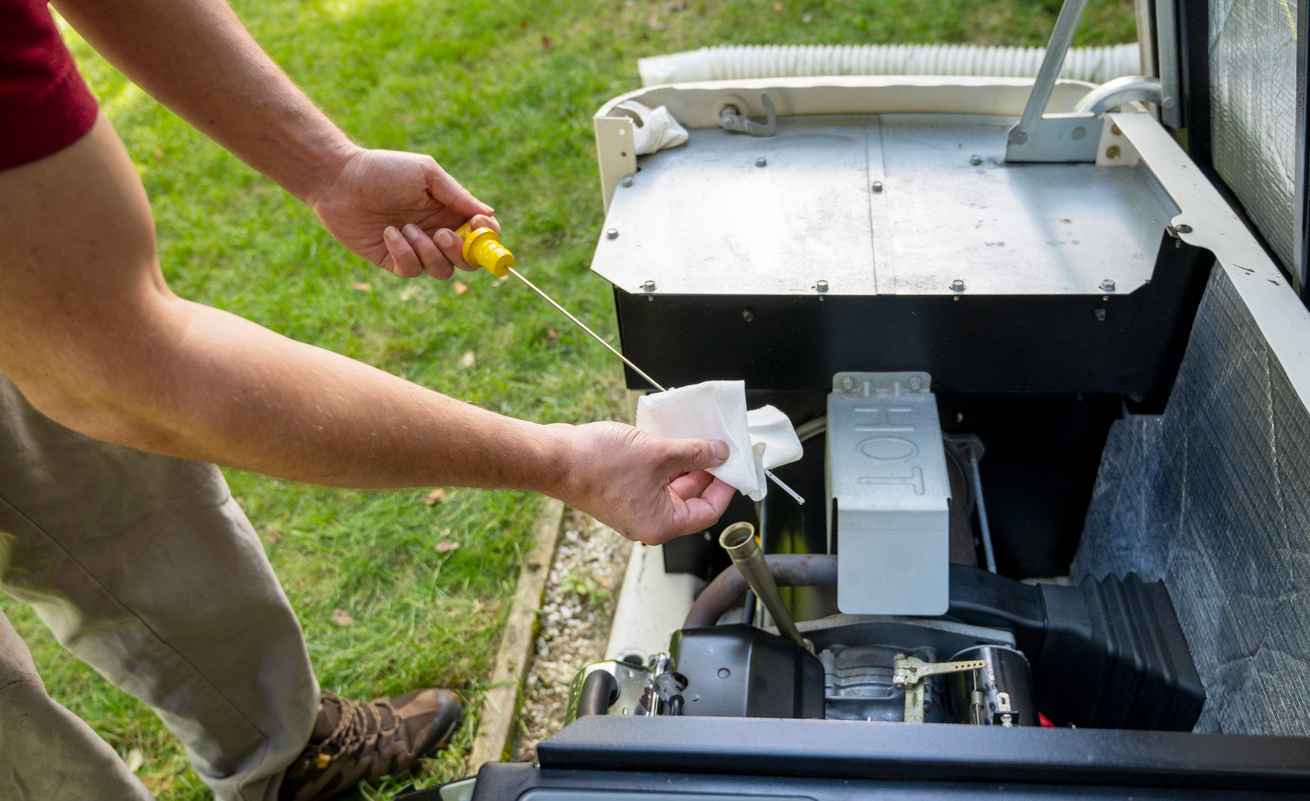
Even if your generator hasn’t been used for extended periods, annual professional maintenance is essential. A technician will inspect the unit for wear, replace filters, change the oil, and check battery health. This yearly inspection helps catch minor issues before they cause system failure.
If your generator runs for extended periods during outages, additional oil changes may be necessary based on manufacturer guidelines.
Keep the Area Around Your Generator Clear
For safe operation and proper ventilation, the area surrounding your generator must remain free of debris, weeds, and clutter. Trim any nearby vegetation and keep at least two to three feet of clearance around the unit to ensure adequate airflow and prevent overheating.
Watch for Warning Lights or Alerts
Most modern standby generators have control panels or remote monitoring features that display alerts when maintenance is needed. Pay attention to these indicators, and don’t ignore system warnings. Prompt service keeps your generator ready when you need it most.
By following these simple maintenance steps, you’ll extend your generator’s lifespan and maintain reliable backup power through every outage.
Protect Your Home With Professional Generator Installation
A standby home generator offers more than just backup power—it delivers peace of mind. Whether storms, power grid failures, or unexpected outages hit your area, a properly sized and professionally installed generator ensures your home stays safe, comfortable, and operational. Choosing the right generator for your home’s needs and trusting experts for installation are the keys to long-term reliability and seamless power continuity.
From powering essentials like your refrigerator and HVAC system to keeping lights and medical equipment running, a standby generator protects your family from disruption. With proper maintenance, your generator will be ready whenever you need it—providing automatic, uninterrupted backup power at the moment it’s needed most.
Ready to safeguard your home? Contact Perkins Generator Store today for professional generator sizing, expert installation, and reliable maintenance services. Let us help you enjoy continuous power and complete peace of mind.
Recent Posts
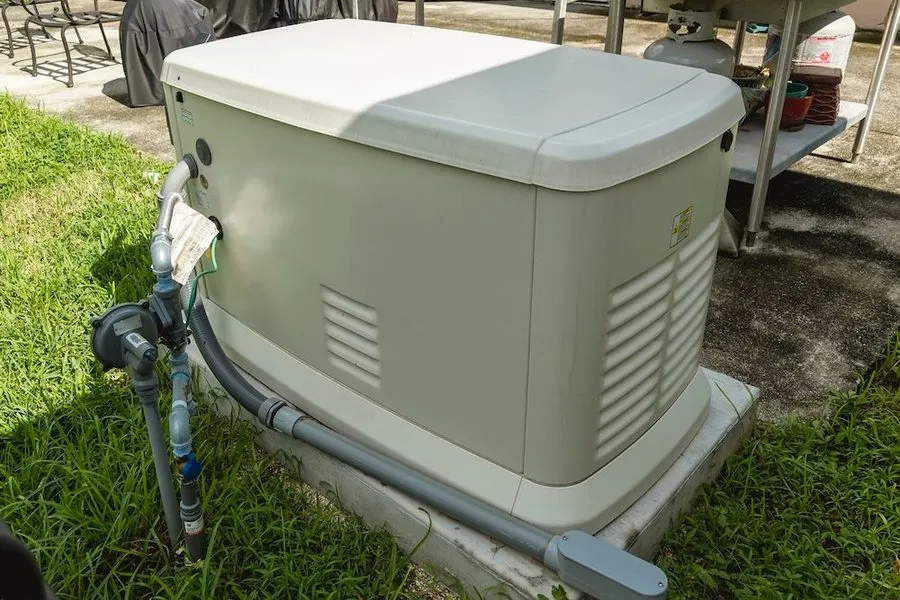
Navigating HOA Requirements for Generator Installations in Peachtree City and Alpharetta
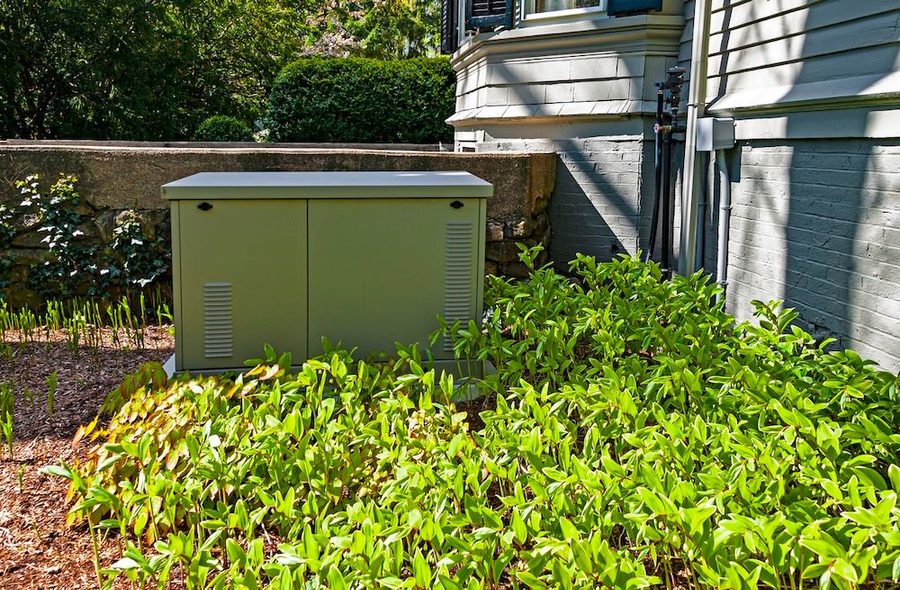
The Atlanta Homeowner’s Guide to Generator Maintenance Before Hurricane Season
Generac vs. Kohler: Which Model Handles Metro Atlanta’s Humidity and Power Surges Best?
What Homeowners Should Do to Prepare Their Generator Before Atlanta Spring Storm Season

Why Brownouts Are Growing More Common Across Metro Atlanta
How Atlanta Thunderstorms and Lightning Strikes Increase the Need for Home Backup Generators