

Back to Blog
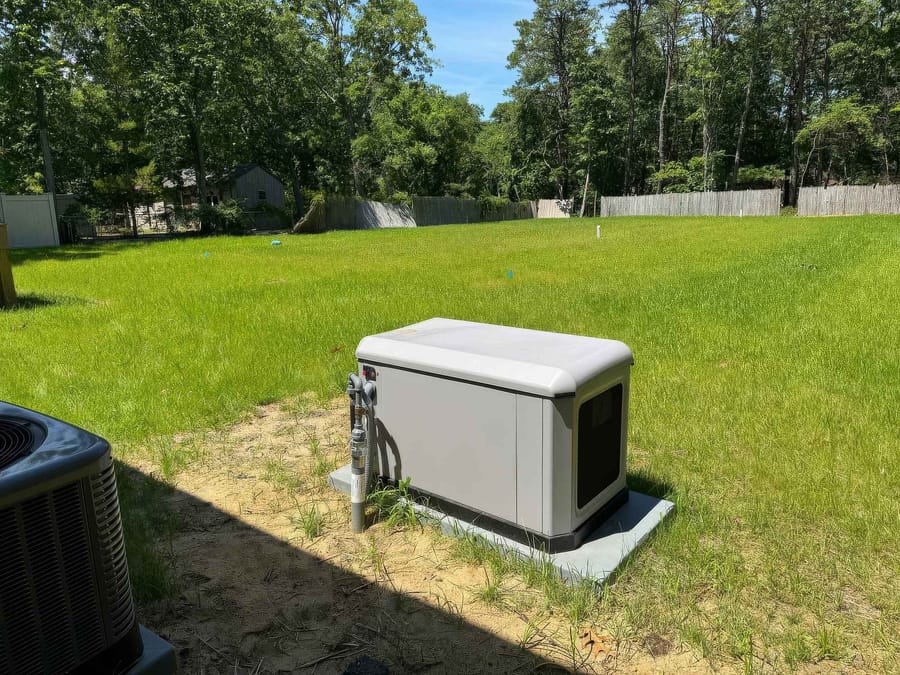
Power outages are a fact of life in Georgia, especially during severe thunderstorms, hurricanes, and high-wind events. When the lights go out, having a plan in place can make all the difference between staying safe and scrambling in the dark. A reliable generator ensures your essential appliances, lights, and HVAC system keep running until utility power is restored.
However, simply owning a generator isn’t enough. It needs to be ready when you need it most. From safety checks to fuel storage and maintenance, preparation is key to ensuring your generator performs correctly during an emergency.
In this blog, Perkins Generator Store outlines what to do when a power outage strikes in Georgia, plus a complete emergency generator checklist to keep your home powered, safe, and comfortable through any storm.
Common Causes of Power Outages in Georgia
Georgia’s weather and geography create the perfect conditions for frequent power outages. From tropical storms to lightning strikes, homeowners across the state experience electrical interruptions throughout the year. Understanding what causes these outages helps you prepare and respond effectively when the lights go out.
Severe Weather Events
Georgia’s storm seasons bring strong winds, heavy rain, and lightning that can damage power lines and transformers. Hurricanes and tropical storms from the coast often cause widespread outages that can last for days.
Fallen Trees and Debris
High winds or saturated ground can cause trees and branches to fall, knocking out overhead lines. Even a single fallen limb can disrupt power for entire neighborhoods.
Flooding and Water Damage
Flash floods can impact underground wiring and substation equipment. In rural and low-lying areas, flooding may also make repair access more difficult, extending outage times.
Infrastructure Strain and Maintenance
Georgia’s growing population puts added pressure on the electrical grid. Overloaded systems, combined with routine maintenance work or equipment failures, can lead to temporary service interruptions.
Wildlife Interference
It may sound surprising, but small animals like squirrels and birds can cause power disruptions by damaging transformers or shorting out electrical connections.
Immediate Steps to Take When the Power Goes Out
When the power suddenly shuts off, it’s important to stay calm and follow a few key steps to ensure safety and minimize damage to your home. Acting quickly and carefully can help you determine whether the outage is isolated or widespread and get your generator ready if needed.
Check the Source of the Outage
Start by looking outside to see if neighboring homes are affected. If your home is the only one without power, check your breaker panel for a tripped circuit. Reset any breakers if necessary, but avoid touching exposed wires or panels that appear damaged.
Unplug Sensitive Electronics
Unplug televisions, computers, and other electronics to protect them from potential power surges when electricity is restored. Leave one light turned on so you’ll know when power returns.
Use Flashlights Instead of Candles
Flashlights or battery-powered lanterns are safer and more reliable than candles, which can pose a fire hazard, especially during storm conditions.
Keep Refrigerators and Freezers Closed
Food can stay cold for several hours if doors remain shut. Avoid opening your refrigerator unless absolutely necessary to preserve food quality.
Contact Your Utility Company
Report the outage to your local power provider to confirm whether it’s part of a larger outage or a localized issue. Many utilities in Georgia provide real-time outage maps and updates through their websites or apps.
Prepare to Use Your Generator
If the outage is expected to last more than an hour, begin preparing your generator. Make sure it’s properly fueled, positioned in a well-ventilated outdoor area, and connected safely before starting it.
Preparing to Use Your Generator
A generator can be a lifesaver during a power outage, but it must be used correctly to ensure both safety and performance. Before starting your unit, take a few minutes to go through these preparation steps. Doing so will help prevent equipment damage, carbon monoxide buildup, or electrical hazards.
Move the Generator to a Safe Location
Always place your generator outdoors on a dry, level surface at least 20 feet away from windows, doors, and vents. Never run it inside a garage, enclosed porch, or shed, as generators produce carbon monoxide, a deadly, odorless gas.
Check Fuel and Oil Levels
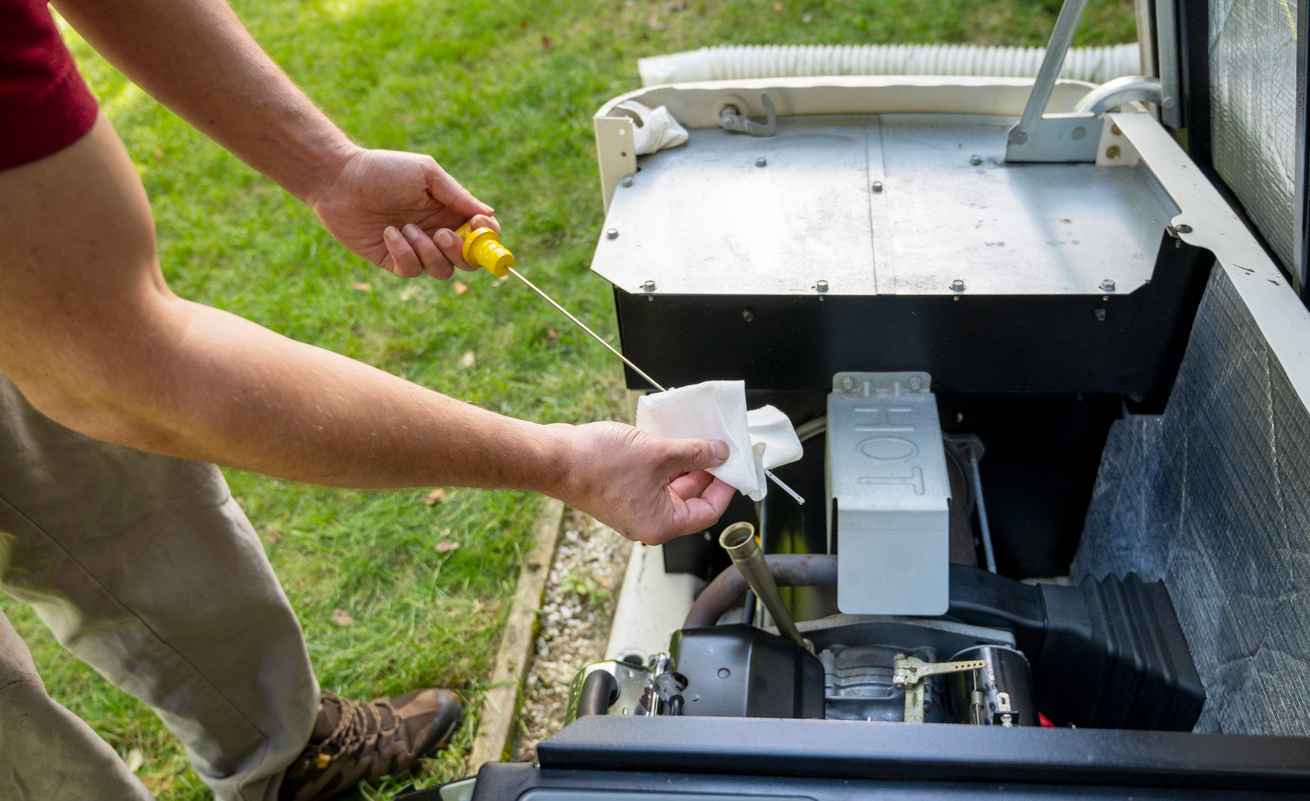
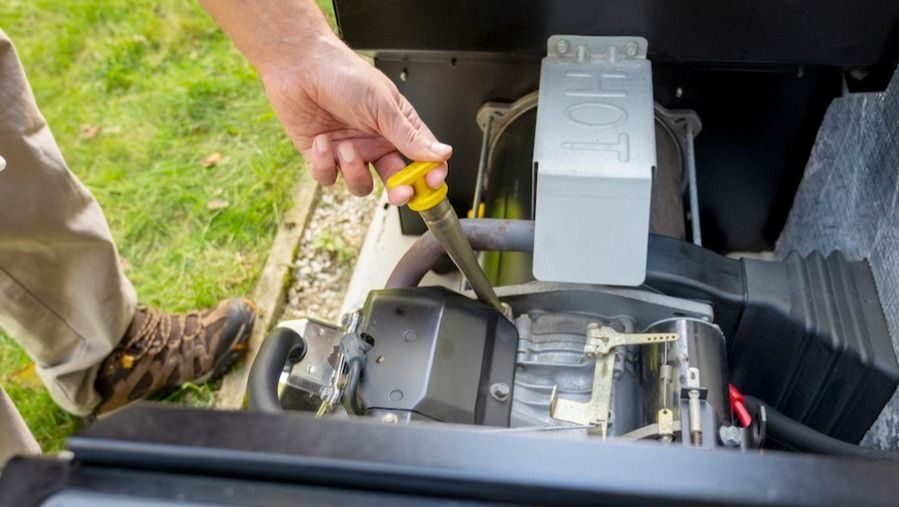
Before starting, confirm that the generator has enough fuel and oil to run for several hours. Use the type of fuel specified in the owner’s manual, and keep extra fuel stored safely in approved containers away from open flames.
Inspect Cords and Connections
Examine power cords for fraying or damage before plugging in any appliances. Use heavy-duty, outdoor-rated extension cords that are properly grounded. Make sure your connections are tight and dry to prevent electrical shorts.
Verify Load Capacity
Generators come in different sizes, and overloading one can damage the unit or your appliances. Check the wattage of the devices you plan to power and stay within your generator’s rated capacity.
Ensure Proper Ventilation and Weather Protection
If rain or wind is expected, use a generator tent or cover designed for ventilation. This shields the generator from moisture without trapping exhaust fumes.
Double-Check Transfer Switch Settings (for Standby Units)
If you have a whole-home standby generator, verify that the automatic transfer switch is functioning properly. This ensures your generator starts automatically and powers your home safely during the outage.
Emergency Generator Checklist
Having a generator ready before a power outage is only half the battle. Knowing how to use it safely and efficiently is just as important. This emergency checklist ensures that you’re prepared to keep your Georgia home powered and protected during an outage.
Before Starting the Generator:
-
Place the unit outdoors in a dry, ventilated area, away from doors and windows.
-
Check oil and fuel levels, and make sure the fuel is fresh.
-
Inspect air filters, spark plugs, and cords for damage.
-
Confirm that all appliances are unplugged before starting the generator.
-
Review your owner’s manual for startup instructions specific to your model.’
While Operating the Generator:
-
Run the generator on a level surface to prevent fuel leaks.
-
Plug in essential appliances one at a time to avoid overloading.
-
Use only heavy-duty, outdoor-rated extension cords.
-
Keep fuel containers stored safely away from the generator and heat sources.
-
Monitor the generator periodically to ensure it’s running smoothly and not overheating.
After Power Is Restored:
-
Turn off and unplug all connected appliances before shutting down the generator.
-
Allow the generator to cool before refueling or moving it.
-
Store the unit in a dry location and perform any necessary post-use maintenance.
-
Refill fuel and oil if needed so the generator is ready for the next outage.
Essential Supplies to Keep on Hand:
-
Extra fuel and oil.
-
Flashlights and batteries.
-
Surge protectors and power strips.
-
Spare spark plugs, filters, and cords.
-
A printed copy of operating instructions.
By following this checklist, you’ll be ready to power your home safely through any storm or outage. In the next section, we’ll explain how to maintain generator readiness year-round to avoid last-minute problems when severe weather strikes.
Stay Prepared for Georgia Power Outages with Perkins Generator Store
Power outages in Georgia can strike at any time, whether from lightning storms, high winds, or heavy flooding. Having a reliable generator and knowing how to use it safely ensures your home stays powered, comfortable, and secure when the grid goes down.
By following an emergency generator checklist, maintaining your equipment regularly, and keeping essential supplies on hand, you can minimize disruption and avoid the stress that comes with unexpected outages. Preparation is the key to safety and peace of mind.
For expert generator maintenance, professional installation, and personalized advice, contact Perkins Generator Store. Our knowledgeable team helps Georgia homeowners stay ready for any storm with dependable products, maintenance plans, and emergency power solutions you can trust.
Recent Posts
Navigating HOA Requirements for Generator Installations in Peachtree City and Alpharetta
The Atlanta Homeowner’s Guide to Generator Maintenance Before Hurricane Season
Generac vs. Kohler: Which Model Handles Metro Atlanta’s Humidity and Power Surges Best?
What Homeowners Should Do to Prepare Their Generator Before Atlanta Spring Storm Season

Why Brownouts Are Growing More Common Across Metro Atlanta
How Atlanta Thunderstorms and Lightning Strikes Increase the Need for Home Backup Generators