

Back to Blog
When the power goes out, a generator can be a real lifesaver—but how long can it actually keep your home running? Whether you’re relying on it for a few hours or several days, knowing your generator’s runtime can make all the difference in your emergency planning. Many homeowners don’t realize that pushing a generator past its limits can lead to overheating, mechanical failure, or even permanent damage. Since different types of generators have different capabilities, it’s important to understand the specifics of your model and how long it’s built to perform. From fuel types to maintenance routines, several factors come into play when determining how long a generator will last during continuous operation.
In this blog, we’ll explore typical generator run times, the signs that indicate it’s time to give your unit a break, and how to maximize its performance during an outage.
How Long Can Generators Typically Run?
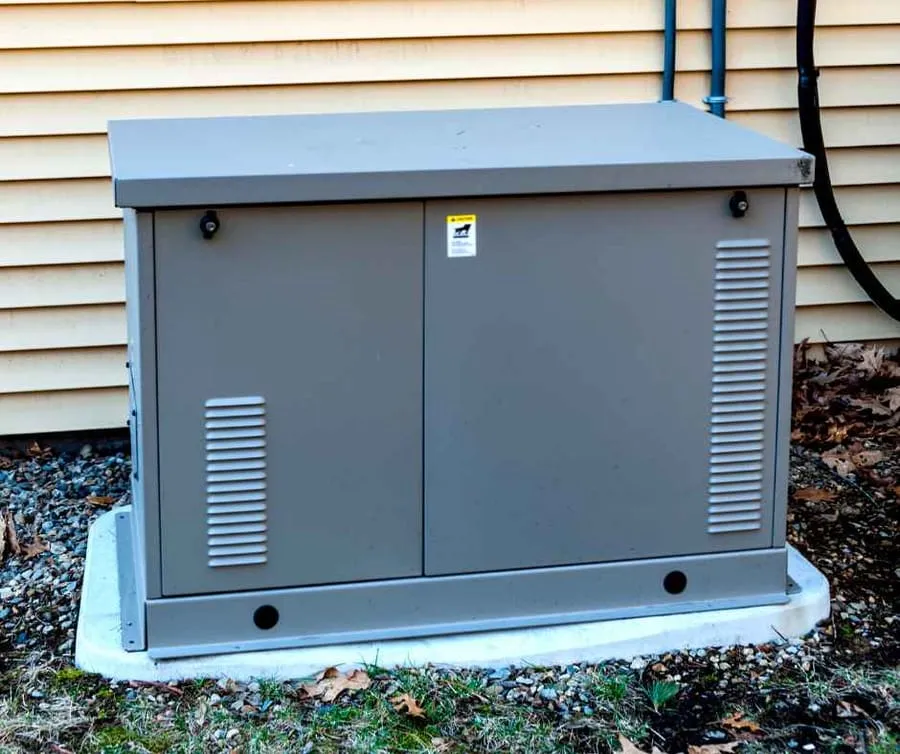
The runtime of a generator depends largely on the type of generator you own and how it’s being used. Standby generators, which are permanently installed and connected to your home’s electrical system, are built to run for longer durations—typically up to 3,000 hours total with proper maintenance. In contrast, portable generators are designed for shorter bursts of usage, usually maxing out around 8 to 12 hours on a full tank of fuel. Inverter generators, which are a quieter and more efficient option for smaller needs, generally offer a runtime of 6 to 10 hours, depending on the load.
It’s also important to distinguish between continuous and intermittent use. Some generators are made to run for hours on end, while others need regular breaks to cool down and refuel. Understanding your model’s intended use can prevent premature wear or overheating.
This knowledge is essential during extended outages when you may be relying on your generator around the clock. Running a generator beyond its safe limits can lead to problems such as engine damage, degraded performance, or total failure. That’s why it’s vital to be informed—not only about your generator’s rated capacity but also about how to monitor and manage that usage effectively.
Key Signs Your Generator Is Running Too Long
Even the most durable generators have limits, and it’s important to recognize when your unit may be approaching them. If you’re running a generator for long periods—especially during a power outage—it’s crucial to pay attention to its performance and behavior. Ignoring these warning signs can lead to bigger issues down the line, including costly repairs or unsafe operating conditions.
Common Signs
Keep an eye out for these telltale symptoms that your generator may be overworked:
-
Overheating or Hot Smells: If the exterior feels excessively hot or you notice a burning odor, it’s time to shut it down and let it cool.
-
Unusual Noises from the Engine: Strange knocking, clanking, or high-pitched whining sounds can signal mechanical strain or internal wear.
-
Drops in Power Output: Appliances may start to dim or shut off unexpectedly, indicating the generator can no longer meet the load demand.
-
Warning Lights on the Control Panel: Many modern generators feature alert systems that will flash or beep when something is wrong—don’t ignore them.
-
Increased Fuel Consumption: A noticeable spike in fuel use could mean the generator is operating inefficiently due to stress or wear.
Causes/Why It Happens
Understanding what causes these signs can help you prevent damage:
-
Fuel Limitations: Gasoline-powered units need regular refueling, while diesel and propane models may have different limits based on tank size.
-
Lack of Proper Maintenance: Old oil, dirty air filters, or ignored service intervals can strain the engine during extended use.
-
Excessive Power Load: Trying to power too many appliances at once puts unnecessary stress on the generator.
-
Blocked Airflow or Clogged Filters: When the system can’t cool itself properly, it’s more likely to overheat or malfunction.
Generator Runtime Problems: Solutions and Fixes
Once you recognize that your generator is showing signs of overuse or stress, the next step is acting quickly to resolve the issue. Proper care—whether it’s a simple DIY task or a call to a professional—can make all the difference in extending your generator’s life and keeping your home powered when it matters most.
DIY Generator Maintenance Tips
These basic steps can help you fix minor problems and avoid unnecessary wear:
-
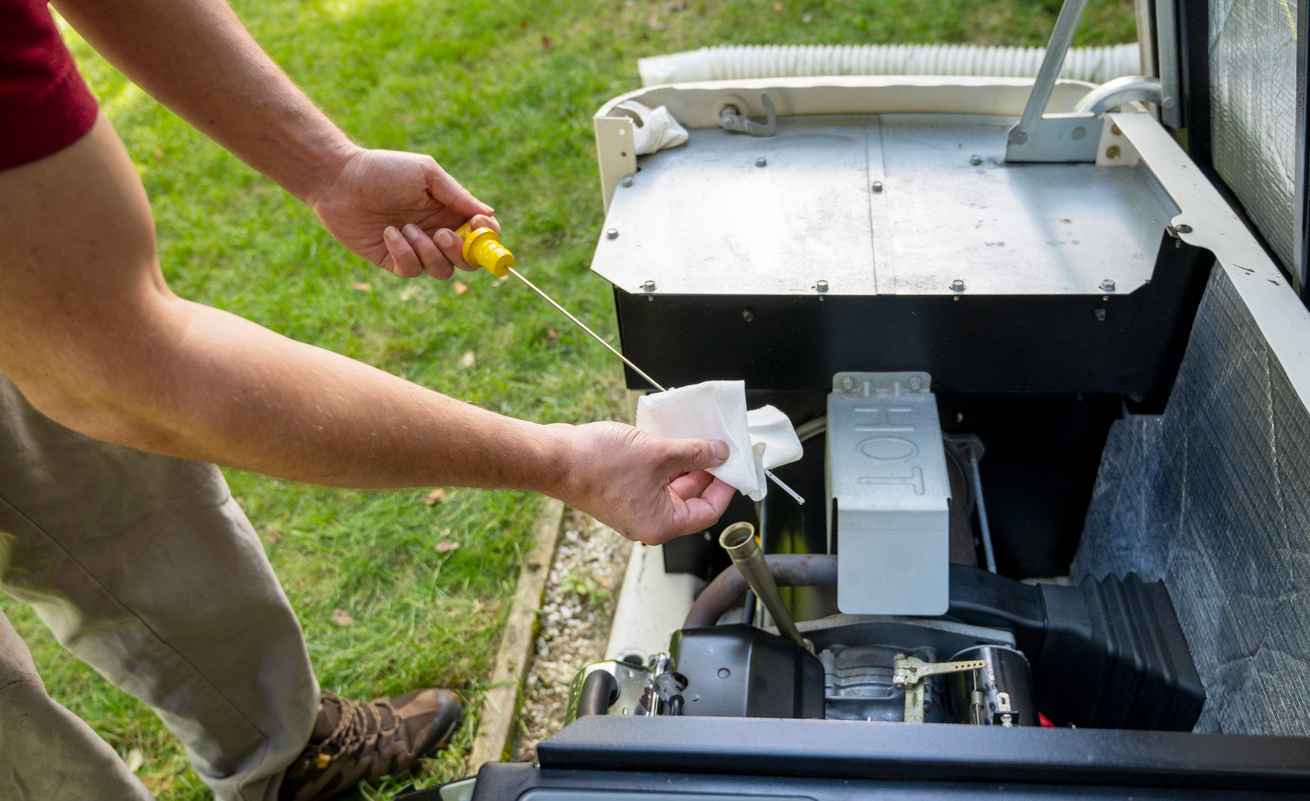
Check Fuel and Oil Levels Frequently: Running low on fuel or oil can lead to power interruptions and even engine damage. Always top off before long usage periods.
-
Give Your Generator Regular Breaks: Especially for portable models, turning off the unit periodically helps prevent overheating and stress on engine components.
-
Use the Right Extension Cords: Underrated or indoor cords can overload your system. Use heavy-duty, outdoor-rated cords to ensure safe and efficient operation.
-
Keep the Area Well-Ventilated: Proper airflow is essential for cooling. Avoid placing the generator in enclosed or covered spaces where heat can build up.
-
Follow the Owner’s Manual for Routine Care: Stick to recommended schedules for oil changes, air filter replacements, and general inspections to maintain peak performance.
When to Call a Generator Professional
Some issues go beyond quick fixes and require expert attention. Here’s when you should contact a technician:
-
The Generator Won’t Stay On or Restarts Often: This could signal a serious fuel delivery, spark plug, or sensor issue that needs professional diagnostics.
-
Performance Drops Even After Maintenance: If your generator continues to lag or underperform despite basic upkeep, internal components may need repair or replacement.
-
Persistent Error Codes or Warning Lights: Modern generators display system alerts that often require specialized tools to decode and address.
-
Unusual Vibrations or Loud Noises: Excessive shaking or strange noises can indicate loose or damaged parts, which should be repaired before they fail entirely.
-
You’re Due for a Full Inspection: Routine professional service can catch issues early and keep your generator in reliable working condition year-round.
Tips to Extend Generator Runtime and Prevent Issues
Routine care and smart usage habits can go a long way in preserving your generator’s health. Whether you own a portable, standby, or inverter model, following these preventive tips will help you get the most out of your investment—especially when you need it most.
-
Use High-Quality Fuel: Low-grade or old fuel can clog fuel lines and cause startup issues. Always use fresh, clean fuel recommended by the manufacturer.
-
Avoid Overloading the Generator: Exceeding the wattage capacity forces the engine to work harder than necessary, increasing the risk of overheating or shutdown.
-
Install an Automatic Transfer Switch (for Standby Units): This ensures smooth transitions between grid and generator power, reducing system strain and user error.
-
Keep Oil and Air Filters Clean: Dirty filters reduce airflow and lubrication, which can overheat the engine and wear down internal components faster.
-
Store the Generator Properly Between Uses: Keep your generator covered, dry, and away from direct sunlight or damp areas to prevent corrosion and weather-related damage.
-
Run the Generator Monthly (Exercise It): Even if you’re not using it, running your generator for 20–30 minutes each month keeps fluids circulating and the battery charged.
-
Schedule Annual Professional Maintenance: A yearly checkup can catch small issues before they become major problems and ensure your unit is ready when you need it most.
Wrap-Up: Know Your Generator’s Limits and Stay Prepared
Understanding how long your generator can run—and how to help it run better—can make a huge difference during an outage. Whether you rely on a standby unit for long-term power or a portable generator for short bursts, knowing its limitations and maintenance needs will protect your equipment and your home.
If your generator is pushed beyond its intended runtime, it could suffer serious wear or even complete failure. That’s why it’s so important to recognize warning signs, follow smart usage habits, and get professional support when needed.
Don’t leave your power supply to chance. Contact Perkins Generator Store today for expert advice, high-performance generators, and dependable maintenance services that keep you ready for anything.
Recent Posts
Navigating HOA Requirements for Generator Installations in Peachtree City and Alpharetta
The Atlanta Homeowner’s Guide to Generator Maintenance Before Hurricane Season
Generac vs. Kohler: Which Model Handles Metro Atlanta’s Humidity and Power Surges Best?
What Homeowners Should Do to Prepare Their Generator Before Atlanta Spring Storm Season

Why Brownouts Are Growing More Common Across Metro Atlanta
How Atlanta Thunderstorms and Lightning Strikes Increase the Need for Home Backup Generators