

Back to Blog
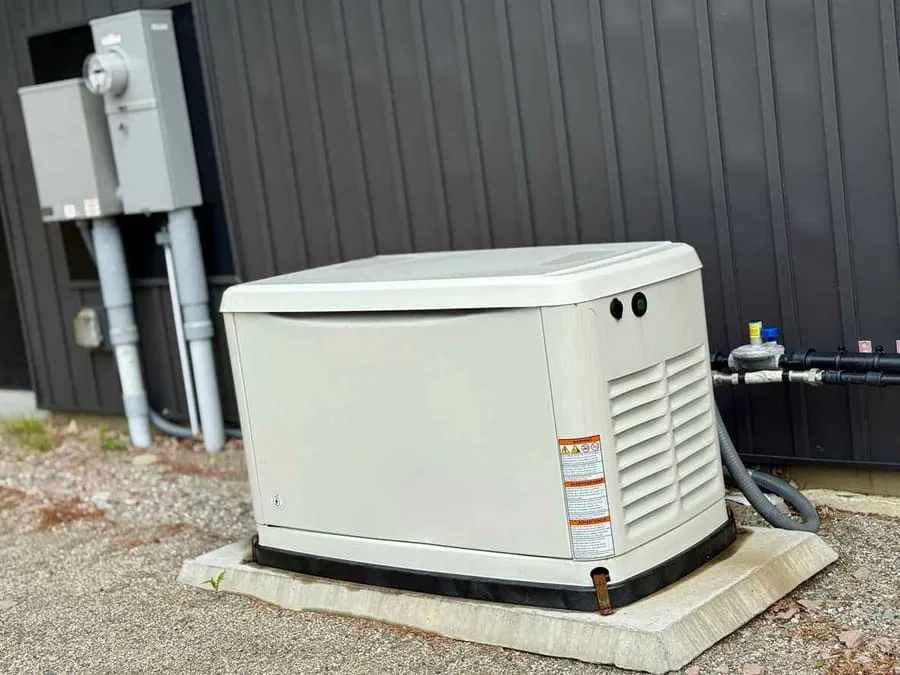
As summer rolls into North Georgia, Atlanta residents are accustomed to preparing for seasonal climate patterns. While the immediate coast bears the brunt of tropical landfall, history has proven that major Atlantic and Gulf systems frequently retain immense power as they track inland. From the dense tree canopies of Buckhead and Midtown to the expansive residential neighborhoods of Marietta and Alpharetta, high-velocity winds and severe thunderstorms routinely tear through the region, bringing down massive oak limbs and destroying local power lines.
When a major storm knocks out the local utility grid, a home standby generator transitions instantly from a luxury appliance to an essential piece of safety infrastructure. It keeps your air conditioning running during the oppressive summer heat, prevents thousands of dollars in food spoilage, and ensures critical medical equipment remains operational. However, a generator can only protect your family if its mechanical systems are prepared to handle the immense strain of continuous operation. At Perkins Generator Store, we believe that emergency readiness requires proactive care. This maintenance guide breaks down exactly how to prepare your backup power system before hurricane season arrives.
Why Generator Performance Matters for Inland Georgia
A backup generator is fundamentally an internal combustion engine paired with an alternator. Unlike a vehicle that is driven daily, a standby generator can sit idle for weeks or months at a time. This prolonged inactivity introduces specific mechanical vulnerabilities that can cause a system to fail precisely when the utility grid goes dark.
The Problem of Stagnant Components
When an engine sits idle, oil drains completely away from the upper cylinders, seals can dry out, and moisture from the humid Atlanta atmosphere can condense inside the fuel system and electrical enclosures.
When a storm hits, and the automatic transfer switch demands an immediate emergency startup, the unit undergoes intense physical stress. If the oil is degraded, the filters are clogged, or the battery is weak, the generator may fail to crank, leaving your home completely vulnerable in the middle of a severe weather crisis.
The Pre-Season Maintenance Checklist: Steps for Every Homeowner
Preparing your standby system for hurricane season requires a systematic diagnostic approach. Following this structured checklist ensures every critical component is optimized before the first major tropical system tracks inland.
1. Battery Health Assessment
The battery is the single most common failure point for residential backup generators. If the battery lacks a sufficient electrical charge, the starter motor cannot turn the engine over.
-
Check the Installation Date: Generator batteries operate under harsh conditions, continuously receiving a trickle charge from the main utility line. They typically carry a safe operational lifespan of three to four years. If your battery is approaching this window, replace it proactively before the storm season spikes.
-
Inspect for Corrosion: Look closely at the positive and negative terminal posts. A white, powdery build-up of lead sulfate isolates the connection, restricting current flow. Clean the terminals with a wire brush and apply a protective dielectric coating.
-
Measure Voltage Metrics: Use a digital multimeter to verify the static voltage. A healthy twelve-volt battery should read at least 12.6 volts when resting.
2. Fluid and Filter Verification
Continuous operation during a multi-day power outage burns through engine oil and subjects air and fuel filters to high debris loads.
-
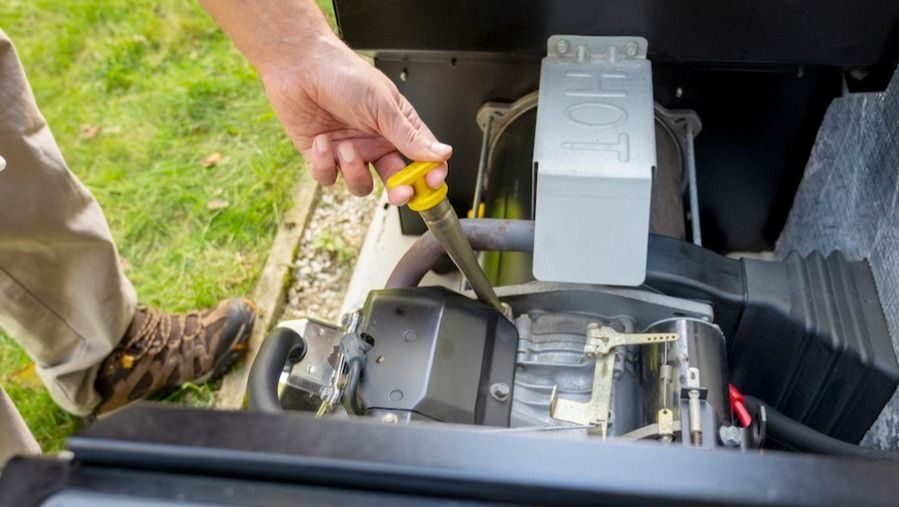
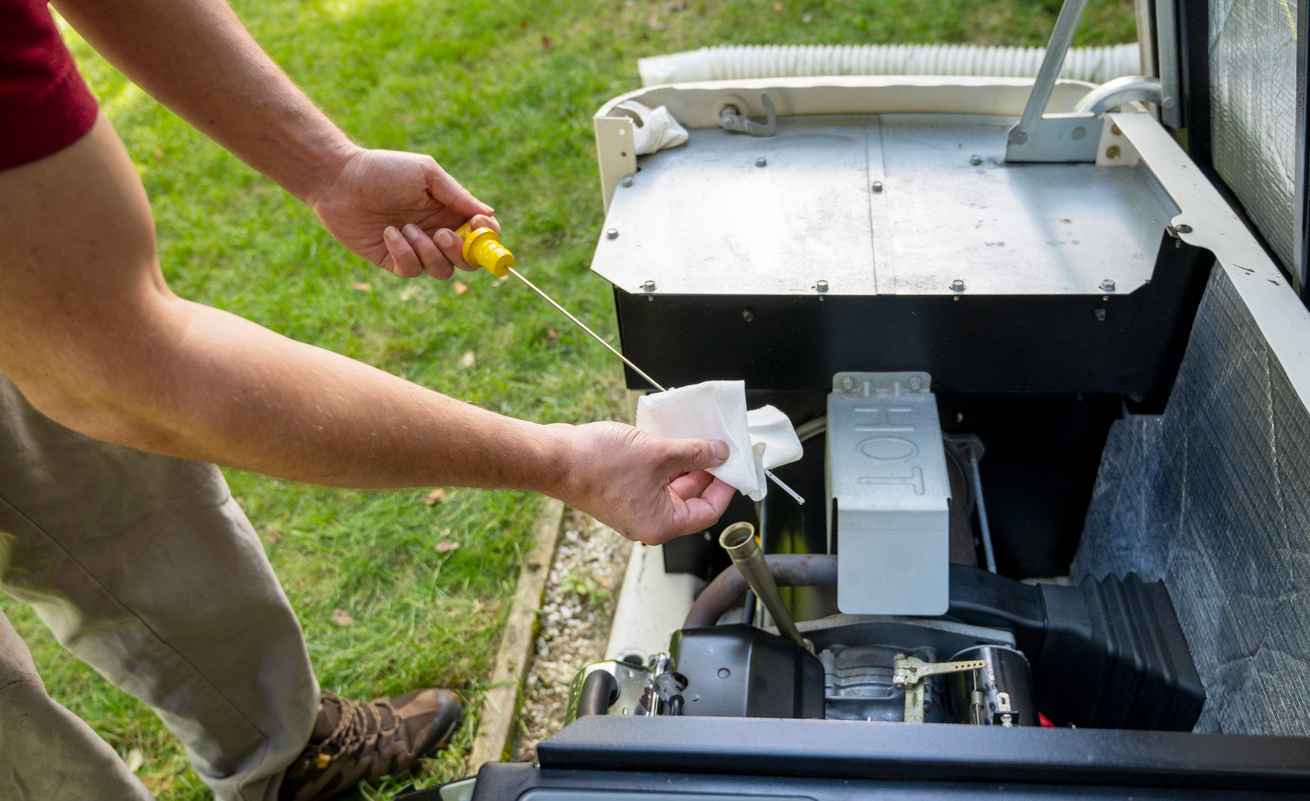
Check Oil Levels and Quality: Pull the dipstick, wipe it clean, and check the oil level. The fluid should be translucent and honey-colored. If the oil appears dark black, gritty, or smells burnt, perform a complete oil and filter change. Standby units typically require fresh oil every 100 to 200 hours of runtime or at least once a year.
-
Upgrade to Synthetic Oil: For North Georgia properties, utilizing high-quality synthetic oil provides superior thermal protection during hot summer operations and ensures smoother mechanical lubrication during sudden emergency starts.
-
Inspect the Air Filter: Open the air cleaner enclosure and remove the pleated paper element. If it is caked with spring pollen, dust, or insect debris, install a fresh filter to ensure the engine can breathe efficiently under heavy load.
3. Spark Plug Calibration
The ignition system must deliver a strong, consistent electrical arc to burn fuel efficiently.
-
Inspect for Carbon Buildup: Remove the spark plugs and examine the firing tips. Heavy black carbon deposits or physical pitting on the electrodes indicate incomplete combustion, which can cause engine misfires or rough idling.
-
Verify the Electrode Gap: Use a precise spark plug gap tool to check that the spacing between the electrodes matches the exact specifications outlined in your manufacturer’s owner manual.
Fuel Infrastructure Preservation
The type of fuel your standby generator utilizes dictates your seasonal maintenance requirements. Atlanta homes typically rely on one of three primary fuel sources.
Natural Gas and Liquid Propane Supply Lines
If your standby system is tied directly into a municipal natural gas line or a large underground liquid propane tank, you enjoy a continuous fuel supply that does not degrade over time. However, the delivery infrastructure still requires close inspection.
-
Check Clearances and Valves: Ensure the manual shut-off valves move freely and are completely unobstructed by landscaping or mulch.
-
Inspect Flexible Fuel Lines: Look for signs of physical cracking, dry rot, or rodent damage along the flexible gas lines connecting the main piping to the generator cabinet.
Diesel and Gasoline Fuel Stabilization
For homeowners utilizing portable generators or dedicated residential diesel systems, fuel preservation is a paramount concern.
-
The Threat of Fuel Degradation: Raw gasoline can begin to chemically degrade in as little as thirty days, forming a sticky gum or varnish that clogs internal carburetor jets and fuel injectors.
-
Add Fuel Stabilizer: Always treat fresh fuel with a high-quality marine-grade fuel stabilizer right when you fill your storage containers. This additive preserves the chemical integrity of the fuel for up to a year.
-
Drain the Carburetor: If a portable unit sits idle, close the fuel valve and run the engine until it stumbles and dies naturally, ensuring no raw fuel remains inside the carburetor bowl to evaporate and leave behind solid deposits.
Testing the Automatic Transfer Switch (ATS)
The automatic transfer switch is the brain of your backup power framework. Its job is to continuously monitor utility power from the street. When the voltage drops or vanishes, the switch commands the generator to start, isolates your home grid from the utility lines to prevent dangerous backfeeding, and transfers your household electrical load to the generator.
Conducting a Simulated Power Outage
Do not wait for a hurricane to verify that your system can handle an active load transfer.
-
Flip the Main Breaker: Coordinate with your family, then safely open your main electrical service panel and flip the primary service breaker to the OFF position, simulating a total utility grid failure.
-
Monitor the Response: A properly calibrated standby system should detect the power loss, start automatically within ten to fifteen seconds, and seamlessly transfer electrical power to your designated home circuits.
-
Observe Under Load: Let the system run for twenty to thirty minutes with your central air conditioning and primary appliances running, watching for any signs of engine surging, voltage fluctuations, or unusual exhaust smoke.
Establish Total Storm Resilience
A historic storm track moving through Georgia is a powerful environmental force, but it does not have to compromise your family’s safety, home security, or indoor comfort. By prioritizing proactive generator maintenance before the peak of the hurricane season arrives, you can ensure your infrastructure stands ready to deliver clean, reliable backup power the moment the local utility grid fails.
Do not leave your emergency preparation to chance or wait for a storm warning to test your equipment’s health. Contact Perkins Generator Store today to schedule a pre-season generator tune-up with our expert technical team. Let us deliver the exceptional maintenance, reliability, and absolute peace of mind your Atlanta home deserves all season long.
Recent Posts
Navigating HOA Requirements for Generator Installations in Peachtree City and Alpharetta
Generac vs. Kohler: Which Model Handles Metro Atlanta’s Humidity and Power Surges Best?
What Homeowners Should Do to Prepare Their Generator Before Atlanta Spring Storm Season

Why Brownouts Are Growing More Common Across Metro Atlanta
How Atlanta Thunderstorms and Lightning Strikes Increase the Need for Home Backup Generators
Generator Maintenance 101: The Semi-Annual Checklist Every Georgia Homeowner Must Follow