

Back to Blog
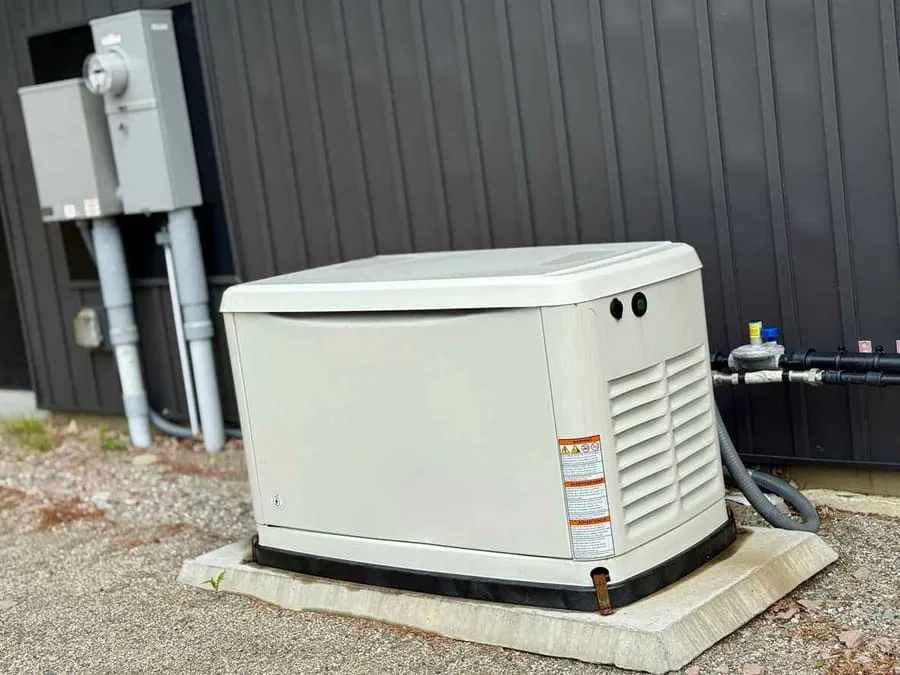
Choosing the right generator size is one of the most important decisions you can make to protect your Atlanta home from power outages. From severe thunderstorms to high summer energy demands, outages can happen at any time. A properly sized generator keeps your essential appliances running, protects your HVAC system, and ensures your home stays safe and comfortable until power is restored.
Many homeowners underestimate how much backup power they really need or choose a generator that cannot handle large appliances during an outage. This guide breaks down the key factors involved in generator sizing, including essential circuits, whole home vs partial coverage, fuel type, and local weather considerations. With the right information, you can choose a generator that is powerful, reliable, and perfectly matched to your Atlanta home.
Determine Your Home’s Power Needs
The first step in choosing the right generator for your Atlanta home is understanding how much electricity you actually use during an outage. Every home has a combination of essential and non essential appliances, and identifying these circuits helps you decide whether you need whole home coverage or a generator that powers only the most critical systems. Proper load calculation prevents overloads and ensures your backup power runs smoothly when you need it most.
Calculating Starting Watts vs Running Watts
Every appliance has two wattage requirements. Running watts represent the electricity needed for normal operation. Starting watts represent the temporary surge of power required to turn the appliance on. Large appliances like air conditioners, refrigerators, sump pumps, and well pumps require significantly higher starting watts. A generator must be sized to handle these surges without shutting down. Incorrect sizing is one of the most common reasons generators overload.
Appliances That Require the Most Power
Some appliances draw much more energy than others, especially during Atlanta summers. Central air conditioning, heat pumps, electric ranges, water heaters, and sump pumps can make up a large portion of your total power needs. During a power outage, most homeowners prioritize HVAC first, followed by refrigerators, lighting, medical devices, and essential outlets. Listing out your must-have appliances is the best way to determine the minimum size generator your home requires.
Whole Home Generator vs Essential Circuits Generator
When choosing a generator, Atlanta homeowners must decide whether they want backup power for the entire home or only for critical appliances. Both options have advantages depending on your electrical load, budget, and comfort preferences during an outage. Understanding the differences helps you select the best solution for long term reliability.
Benefits of Whole Home Backup
A whole home generator powers every circuit in your home, allowing you to use heating and cooling systems, kitchen appliances, lights, and electronics without interruption. This option is ideal for larger homes, families who rely on medical equipment, or anyone who wants uninterrupted comfort during outages. Whole home generators automatically balance power demands and prevent overloads, especially during Atlanta’s hot summers when air conditioning is a priority.
When Essential Circuit Coverage Is the Most Practical Choice
An essential circuits generator is designed to power only the most important parts of your home, such as HVAC, refrigerators, lighting, and necessary outlets. This option is more affordable and uses less fuel while still providing dependable protection during outages. Many homeowners choose this setup if they rarely lose power or want backup for key systems rather than the entire house. A professional can help determine which circuits are critical for your lifestyle and home layout.
Understanding Generator Sizes and Fuel Types
Choosing the right generator size involves more than just wattage. Atlanta homeowners must also consider fuel type, long term operating costs, and how each option performs during extended outages. The right combination ensures reliable, efficient backup power that can handle both everyday essentials and high demand appliances.
Natural Gas
Natural gas generators are popular in Atlanta because they connect directly to your home’s gas line, providing unlimited fuel during an outage. They offer low maintenance, clean operation, and consistent performance. The main limitation is that your home must already have a reliable natural gas supply.
Propane
Propane generators use an on site tank and are known for clean burning operation and long shelf life. They are a great choice for homes without natural gas service. The downside is that you must monitor fuel levels and schedule tank refills, especially before severe weather.
Diesel
Diesel generators are powerful and fuel efficient, making them ideal for heavy loads. However, they require dedicated fuel storage and can be louder than other options. Diesel is often preferred for commercial or large residential applications where high wattage is essential
Which Fuel Type Is Best for Atlanta Reliability
In most Atlanta neighborhoods, natural gas is the most dependable and cost effective option because it does not require manual refueling. Propane is the next best choice for homes outside natural gas service areas. Diesel is typically reserved for high demand or rural installations. A professional assessment helps determine which fuel source aligns with your home’s size, existing utilities, and power priorities.
How Atlanta Weather Affects Generator Sizing
Atlanta’s climate plays a major role in determining how much backup power your home needs. High heat, humidity, and seasonal storms all contribute to more frequent outages and higher electrical demand. Choosing the right generator size ensures your home stays powered through both short interruptions and extended outages.
Preparing for Hurricane Season Effects
Tropical storms and remnants of hurricanes can bring heavy rain, lightning, and strong winds to the Atlanta area. These conditions often lead to widespread outages that last several hours or even days. Homes with sump pumps, refrigeration needs, or medical equipment should choose a generator rated for longer runtimes and larger loads to ensure continuous operation during severe weather.
Accounting for Summer AC Loads
Air conditioning is one of the most power hungry appliances in your home, especially during Atlanta’s hot and humid summers. If you want your AC system to run during a power outage, your generator must be sized to handle both its running watts and its significantly higher starting watts. Undersized generators may trip, overload, or fail to start the AC altogether. Choosing the correct generator size ensures comfort and safety during extreme heat.
Transfer Switch Requirements
A generator cannot safely power your home without a properly sized transfer switch. The transfer switch isolates your home from the utility grid during an outage, protects utility workers, and ensures your generator only powers the circuits it is designed to handle. Selecting the right switch is just as important as choosing the right generator, especially for Atlanta homes with large electrical loads.
Manual Transfer Switches
A manual switch requires you to physically turn on the generator and flip the switch when the power goes out. These switches are more affordable and work well for smaller or essential circuit generator setups. However, they require you to be home and available to activate the system.
Automatic Transfer Switches
Automatic switch systems detect outages and activate your generator without homeowner intervention. These switches restore power quickly, making them ideal for whole home generators, homes with medical devices, or families who travel often. Most standby generators in Atlanta are paired with automatic switches for seamless operation during storms and summer outages.
Panel Compatibility and Safety Considerations
Your transfer switch must be properly matched to your electrical panel and generator size. An undersized switch can overload, while an oversized switch may not provide proper circuit protection. Licensed installers evaluate panel type, amperage, wiring layout, and load requirements to ensure your switch is safe, compliant, and capable of handling your generator’s output. This prevents backfeeding, system damage, and fire hazards.
Professional Load Assessment and Installation
Choosing the right generator size is only the first step. A professional load assessment ensures that your generator, transfer switch, and electrical panel all work together safely and efficiently. Atlanta homes vary widely in age, layout, and electrical demand, so a detailed evaluation helps prevent overloads, equipment failure, and power loss during an outage.
Electrical Panel Inspection and Wiring Review
A licensed technician begins by reviewing your home’s electrical panel to determine whether it can support the generator size you want. Older panels may need upgrades to handle higher amperage or additional circuits. The technician also checks wiring conditions, breaker placement, and grounding to ensure your home can safely transition between utility and generator power. This prevents hazards such as overheating, tripped breakers, or backfeeding.
Fuel Supply and Placement Considerations
Generator installation requires safe planning around fuel type, distance from the home, ventilation, and local code requirements. Natural gas and propane systems must have secure and properly sized supply lines. Diesel systems need dedicated fuel storage that meets safety guidelines. Placement matters too. The generator must sit on a stable pad, away from doors, windows, and HVAC intakes to ensure safe exhaust dispersal. A professional will identify the best installation location to maximize safety and performance.
Get the Right Generator Size with Atlanta’s Backup Power Experts
Choosing the perfect generator size is essential for keeping your Atlanta home safe, comfortable, and powered during outages. Whether you want whole home coverage or backup for essential circuits, a properly sized generator ensures reliable performance during storms, heat waves, and unexpected blackouts. With professional sizing, correct fuel selection, and a properly matched transfer switch, you can enjoy dependable power no matter the season.
Perkins Generator Store provides expert load assessments, generator sizing, and professional installations for Atlanta homeowners. Our team helps you determine the exact wattage you need, choose the right model, and ensure every component is installed safely and correctly.
Contact Perkins Generator Store today to schedule your generator sizing consultation and protect your home with dependable backup power.
Recent Posts
Navigating HOA Requirements for Generator Installations in Peachtree City and Alpharetta
The Atlanta Homeowner’s Guide to Generator Maintenance Before Hurricane Season
Generac vs. Kohler: Which Model Handles Metro Atlanta’s Humidity and Power Surges Best?
What Homeowners Should Do to Prepare Their Generator Before Atlanta Spring Storm Season

Why Brownouts Are Growing More Common Across Metro Atlanta
How Atlanta Thunderstorms and Lightning Strikes Increase the Need for Home Backup Generators